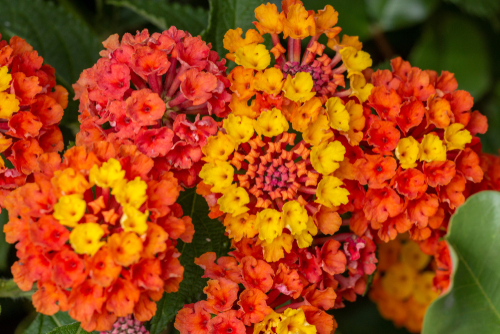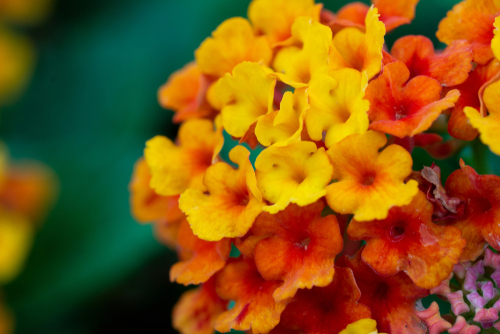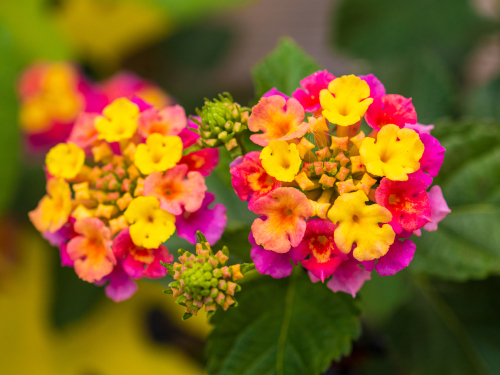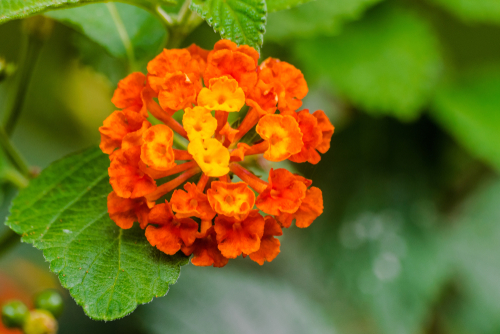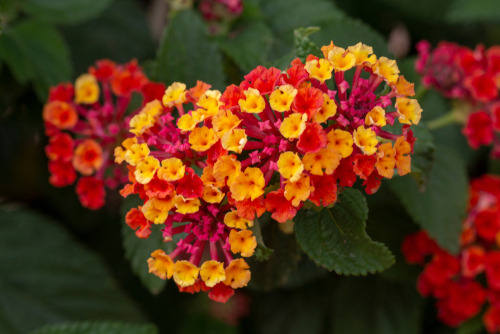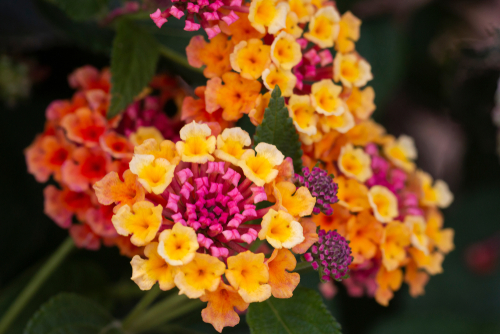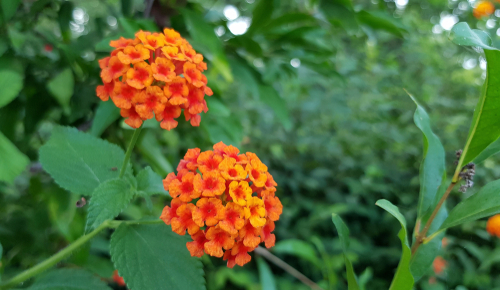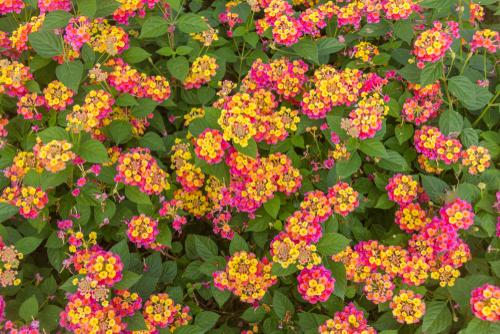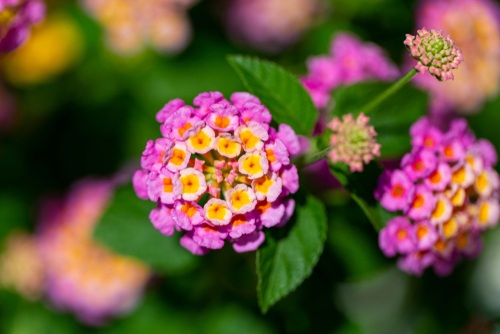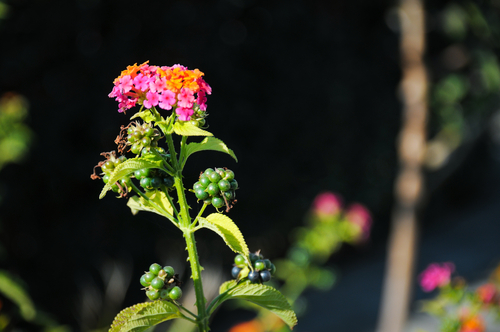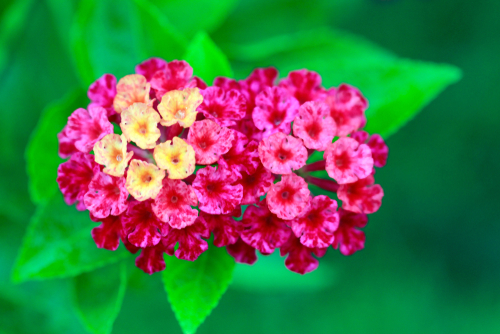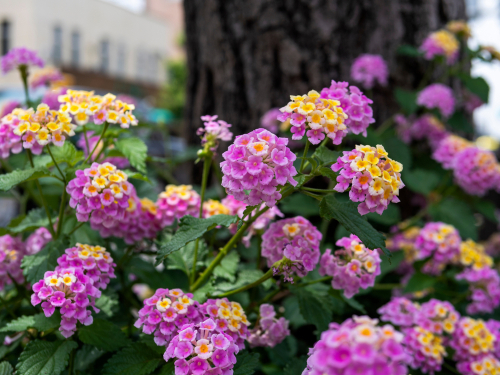
In the wild, Lantana is a classic perennial. However, since these beauties are originally from the tropical regions of Central America, they aren’t exactly fans of the cold. They aren’t frost-hardy at all, which means they won’t survive a chilly winter outdoors in most US zones. If you want to keep yours thriving year after year, you’ll need to take a few steps to tuck them in for the winter.
Bring Them Inside Before the First Frost
Because Lantana is not winter-hardy, it starts to struggle as soon as autumn rolls around. Once temperatures dip below 40°F (5°C), the plant can start to suffer damage. It’s super important to act fast and bring your Lantana indoors before the first real cold snap. If yours are already in pots on the patio, you can just keep an eye on the forecast. But if you’ve planted them directly in your garden beds, you’ll need to dig them up and pot them before the ground gets too cold.
Finding the Perfect Winter Home
To get your Lantana through the winter successfully, you’ll need a cool spot for it to rest. Unlike many other houseplants, Lantana doesn’t necessarily need a lot of light during the winter. It usually drops all its leaves during this dormant phase anyway. The key is the temperature: try to keep its winter quarters consistently between 40°F and 50°F (5-10°C). Also, don’t forget about it entirely! Make sure the root ball doesn’t dry out by giving it a little water every now and then.
Moving Back Outdoors
Since Lantana is so sensitive to the cold, don’t be in too much of a rush to put it back outside in the spring. You definitely want to wait until the danger of frost has passed—usually after Mother’s Day in many regions. Once it’s safe, give your plants about two weeks in a partially shaded spot outdoors first. This “hardening off” period helps them get used to the outdoor air again without getting shocked. After that, move the pots to the sunniest spot you have and watch them bloom!