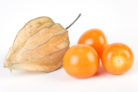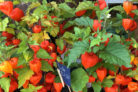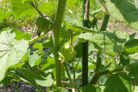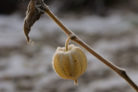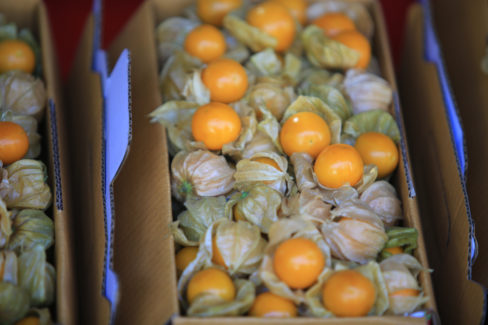
Not too long ago, the physalis (or Cape gooseberry) was considered a rare, exotic treat you’d only find in high-end specialty shops. Fast forward to today, and these little golden gems have become a staple in backyard gardens everywhere, with the first harvests kicking off right in the middle of summer.
Choosing the Right Variety
If you’re itching to start snacking, picking the right variety is key. If you go with the Ground Cherry (Physalis pruinosa), you could be harvesting as early as June. On the other hand, the classic Cape Gooseberry (Physalis peruviana) takes its sweet time to grow from seed to fruit, usually ripening around August.
When you’re browsing seed packets, keep an eye on those “days to harvest” notes. Some newer cultivars have been bred specifically to ripen much faster than the heirloom types.
Start Your Seeds Early
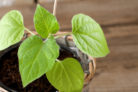
To get a head start on the season, you’ll want to get those seeds in the dirt as early as possible. February is the perfect time to grow your own physalis from seed. You should see those first sprouts popping up within about 28 days. Just a heads-up: physalis seeds need light to germinate. Since February days are still pretty short and gloomy, you’ll definitely want to use a grow light from day one to keep them happy.
While they’re germinating, keep things cozy at around 68°F (20°C). Once you’ve thinned them out and they’ve settled into their own pots, you can actually dial the temperature back a bit to about 60-65°F (15-18°C). This slightly cooler environment helps them grow nice and sturdy rather than getting tall and leggy.
The Perfect Garden Spot
Wait until the threat of frost has passed—usually mid-May—before moving your plants outside. These plants are sun-worshippers! A south-facing wall is the ultimate “real estate” for them. The wall soaks up the sun’s heat during the day and radiates it back to the plants at night.
Physalis are also heavy feeders. They love nutrient-rich soil and need consistent watering, especially once they start blooming. To keep them thriving, I recommend using a liquid fertilizer every two weeks. It’s the easiest way to make sure they get the nutrients they need right away. For more tips, check out my guide on how to fertilize your physalis properly.