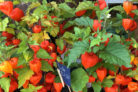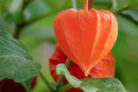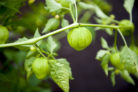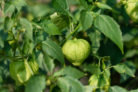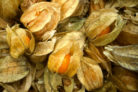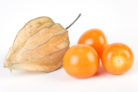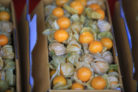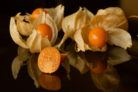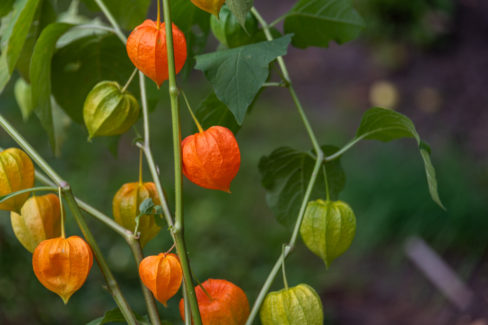
If you’re planning on adding physalis (also known as Cape Gooseberries or Ground Cherries) to your garden, picking the right spot is the secret sauce to a massive harvest. Whether you’re planting in a garden bed, a container, or a greenhouse, getting the soil prep right is key to helping these plants thrive.
The Perfect Spot
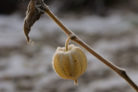
Physalis hails from South America, so it’s no surprise that these plants crave warmth. Unless you’re growing them in a greenhouse, you’ll want to give them the sunniest spot in your yard. Not only does plenty of sunshine make the fruit taste way more aromatic, but it also helps the plant stay strong as fall approaches. Keep in mind that physalis isn’t frost-hardy—the moment that first frost hits, the plant will die back.
You’ll also want a spot that’s protected from the wind. This is super important for pollination! Bees and bumblebees do most of the heavy lifting here, and they aren’t big fans of fighting against constant gusts to get to the flowers. While you don’t *have* to grow them in a greenhouse, they definitely appreciate having some kind of roof or overhead protection.
Growing in Containers
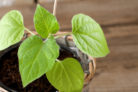
Since physalis is actually a perennial, growing it in a pot is a great move—it makes it so much easier to move the plant indoors for the winter. These plants can get pretty big, so make sure your pot is at least 12 inches (30 cm) in diameter. The biggest “don’t” with containers is letting the roots sit in water. Start with a drainage layer of expanded clay pebbles at the bottom. You want a soil mix that’s rich in nutrients but still drains well.
Here’s my favorite DIY potting mix:
- 1/3 compost
- 1/3 garden soil
- 1/3 sand
Mix it all together and fill the bottom of the pot. Set your young plant right in the center and fill in the rest with your mix. Pro tip: Leave about an inch or two of space at the top (a “watering rim”) so water doesn’t spill over the sides when you’re hydrating your plant.
Planting in Garden Beds
If you’re planting directly in the ground, prep is pretty straightforward. Just work some compost into the soil before you start. I also like to toss in some horn shavings as a slow-release fertilizer. Dig a hole about twice the size of the root ball, center your plant, and fill it back in.
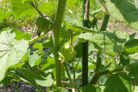
Since these plants can get tall and bushy but have somewhat brittle stems, I highly recommend using a garden stake. A strong gust of wind can easily snap a branch, so tying them to a stake keeps them safe and sound.
Greenhouse Growing
The biggest challenge in a greenhouse is keeping up with the watering. It gets hot in there, and physalis is a thirsty plant! If they dry out too much, they’ll drop their flowers and tiny fruits, which means a much smaller harvest for you.
To help with this, try mixing some clay granules into the greenhouse soil. This loosens the dirt and acts like a sponge, soaking up water and releasing it slowly over time. And just like in the garden bed, don’t forget to mix in some good old-fashioned compost to keep those plants fed!