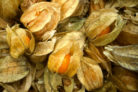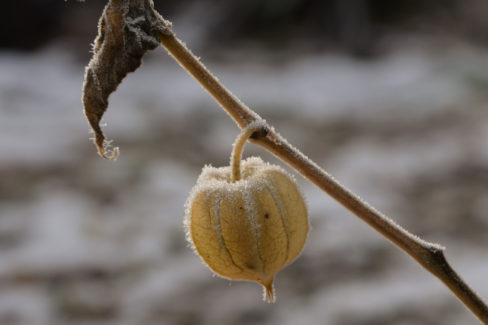
Physalis (also known as Cape Gooseberries or Ground Cherries) aren’t naturally frost-hardy, but here’s a little secret: these plants can actually live for several years if you overwinter them correctly! With a few pro tips, you can help your plant survive the chilly months and keep it safe from pests and diseases.
Getting Ready in September
If you want to keep your Physalis going until next year, you’ll want to start prepping in September. If your plants are currently in the ground, now is the time to move them into pots. This gives them enough time to get their roots settled in their new home before the real cold hits.
Just before the first frost arrives, it’s time for some final prep. Prune your Physalis back by about one-third; this helps the plant conserve energy during its “dormancy.” You should also pinch off any developing fruit or flowers on the short shoots.
For their winter home, look for a spot that is frost-free but cool. Physalis still needs plenty of light during the winter, so a south-facing window is ideal. If you don’t have a bright enough spot, don’t worry—just use a grow light for at least nine hours a day to keep your plant happy.
Winter Care Tips
By late September, you should stop fertilizing your Physalis. The goal is to stop the plant from growing or producing new fruit and flowers, which would just drain its energy. If you see any new buds popping up, go ahead and remove them immediately.
The good news is that Physalis is pretty low-maintenance in the winter. Just make sure the soil stays moderately moist—never soggy. If leaves fall off, clear them out of the pot right away, as dead plant matter can increase the risk of disease.
Dealing with Pests and Disease
One common headache in winter quarters is gray mold (Botrytis). This usually happens if the soil is too wet. The spores often start on dead leaves sitting on the soil before moving on to the plant itself. To prevent this, keep a light hand with the watering can!
You might also run into pests like aphids. Luckily, you can tackle these with a simple DIY soapy water spray.
How to make a soap spray:
- Dissolve 1 tablespoon of liquid castile soap (or insecticidal soap) in 1 quart of water.
- Pour the mixture into a spray bottle.
- Spray both the tops and bottoms of the leaves.
- For a heavy infestation, repeat every 3 days.
Occasionally, you might spot Whiteflies. The easiest way to deal with these little guys is to set up some yellow sticky traps near your plants.