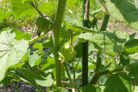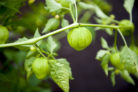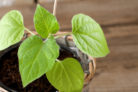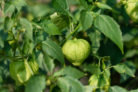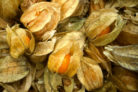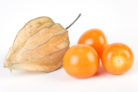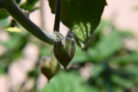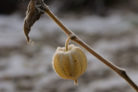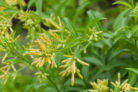
Most of us know them as Physalis, but whether you call them Cape Gooseberries or Husk Cherries, these little golden treats are a garden favorite. While you can definitely plant them in the ground, growing them in pots is actually a pro move. It helps the fruit ripen faster during those cooler summers, and it makes overwintering a whole lot easier.
Here’s everything you need to know about keeping your Physalis happy and healthy in a container.
How to Plant Your Cape Gooseberry in a Pot
Botanically speaking, the Cape Gooseberry is a fast-growing shrub. Because it likes to move fast, it needs plenty of legroom. Make sure you pick a pot that holds at least 2.5 to 3 gallons (about 10 liters). These plants can easily reach three to six feet in height, so a standard window box just isn’t going to cut it.
Once you’ve got your large pot, find a sunny spot on your patio or in a sunroom. Just like tomatoes, these plants need a little support, so grab a stake or a trellis and tie the shoots up as they grow. The best part? They aren’t picky about soil. A standard, high-quality potting mix will do the trick just fine.
Care and Maintenance
When you’re growing Physalis in a container, location and “room service” are key. During the growing season, your plant wants to soak up as much sun as possible while staying out of the wind. A bright balcony or a sheltered corner of the deck is perfect. Since these plants are definitely not fans of frost, you’ll want to move the pot into a greenhouse or a protected indoor spot once the temperatures start to drop.
What your plant needs:
- A bright spot with tons of sunlight
- Protection from heavy winds
- Plenty of moisture
Keeping your Cape Gooseberry hydrated is the most important part of the job. They are thirsty plants, so water them regularly—ideally with rainwater or filtered water if yours is very hard. You can hold off on the fertilizer for the first few months, but once the plant is established, a little tomato or vegetable fertilizer will keep it thriving.
Don’t be afraid to give the shrub a little trim now and then to keep it from getting too leggy. And if you notice the roots starting to get cramped, it’s time to upgrade to a bigger pot!