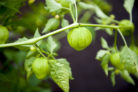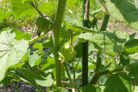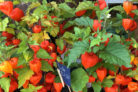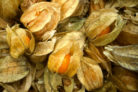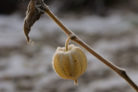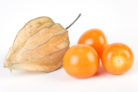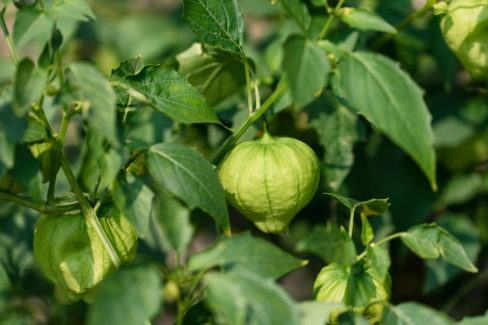
To get a bumper crop of delicious golden berries, your Physalis (also known as Ground Cherry or Cape Gooseberry) needs two things: consistent water and plenty of “food.” While these plants are tough enough to survive in poor soil, they really only thrive and produce those heavy yields if you give them a regular nutrient boost.
Feeding at Planting Time
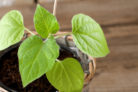
When you’re starting your seeds indoors, you don’t need to worry about fertilizer yet. However, once they’re ready to move to their permanent home outdoors, they’ll want a nutrient-rich environment right from the start. Mix some good quality compost into the soil before planting. Since Physalis are “heavy feeders,” I recommend adding some organic slow-release fertilizer, like horn shavings or a balanced organic granular fertilizer, to keep them happy long-term.
If you’re growing your Physalis in pots, use a mix of garden soil and compost. For container gardening, it’s better to use a finely ground organic fertilizer (like horn meal) rather than coarse shavings. Pots have fewer microorganisms than the ground, so finely ground nutrients break down much faster and get to the roots more efficiently.
Boosting Fruit Production
That initial feeding will keep your plants happy for the first few weeks. But once you see those first blossoms appearing, the plant needs a quick energy boost. This is the perfect time to switch to a liquid fertilizer. You can use a standard store-bought liquid vegetable fertilizer, or if you want to go the DIY route, you can make your own “stinging nettle tea.” Nettles are packed with nitrogen, making them a fantastic, budget-friendly alternative to the bottled stuff.
How to make your own Nettle Fertilizer:
- Roughly chop up some stinging nettles.
- Fill a bucket or barrel about 2/3 full with the nettles.
- Top it off with water.
- Give it a good stir every day for the first few days.
- If it starts to get a bit smelly, sprinkle a little rock dust or stone meal over the top to neutralize the odor.
Keep a lid loosely on the container while it ferments. Placing it in a sunny spot will speed up the process. The “tea” is ready once the plant parts have mostly decomposed—the exact time depends on the weather and the volume. When you’re ready to use it, dilute it at a ratio of 1 part tea to 10 parts water. Give your Physalis a drink of this mixture once a week.
Fertilizing for the Winter
Since Physalis are actually perennials, you can bring them indoors to overwinter in a frost-free spot. Once they are in their winter quarters, stop fertilizing entirely. However, right before they go inside in the fall, I like to give them one last dose of horsetail tea (made the same way as the nettle tea). Horsetail is rich in silica, which strengthens the plant’s “skin” (the epidermis), making it much more resistant to pests and diseases while it rests indoors for the winter.