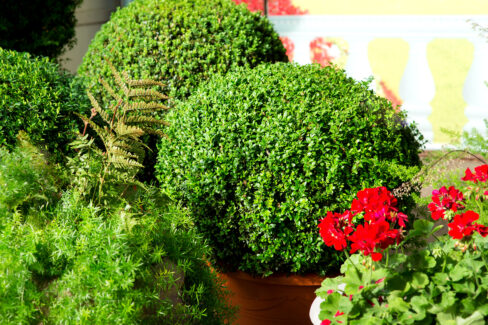
For the most part, your boxwoods are tough cookies and can handle the winter without much fuss. Even though they originally hail from the Mediterranean, they’ve adapted well and are generally quite hardy. However, there are always a few exceptions to the rule! To keep your greenery looking lush and avoid frost damage, there are a few situations where you’ll need to step in and help.
Which Boxwoods Need a Little Extra Love?
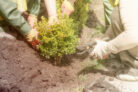
If you’ve got variegated varieties like ‘Elegantissima,’ keep in mind they aren’t quite as cold-tolerant as their solid green cousins. These beauties do best in milder climates or grown in containers that can be moved. If they’re staying in the ground, make sure to give them a thick layer of mulch over the root zone before the first frost hits. You should also protect any “babies”—young plants you’ve recently propagated and transplanted. And here’s a golden rule: if it’s in a pot, it needs protection every single winter, regardless of the variety.
Overwintering Potted Boxwoods
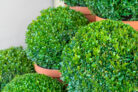
If you have the space, the easiest way to overwinter potted boxwoods is to bring them indoors to a bright, frost-free room. No mudroom? No problem! You can definitely overwinter them outside on a balcony or patio. Just find a spot that’s shaded and shielded from the wind to prevent the branches from drying out or getting “sunburned.” To protect the roots, wrap the pot (not the foliage!) in burlap, fleece, or bubble wrap, and lift it off the cold ground by placing it on a wooden pallet or a piece of Styrofoam.
Quick Tip:
When wrapping your pots, make sure you can still water them easily. It’s also super important that excess water can drain away so your boxwood doesn’t end up with “wet feet” (root rot).
Getting Ready for the Big Chill
Preparation is key! Even the hardiest varieties can suffer frost damage if they aren’t prepped correctly. Here’s your pre-winter checklist to make sure your boxwoods are ready for the cold:
- Stop fertilizing by July, or August at the very latest.
- Use a potassium-rich fertilizer for that last feeding; it helps the branches harden off.
- Put the shears away! Never prune after mid-September.
- For potted plants, get them back outside early in the spring to help them harden off again.
Don’t Forget Winter Maintenance
There’s really only one major chore during the winter, but it’s the difference between a thriving plant and dried-out, brittle branches: watering. Since boxwoods keep their leaves all year, they continue to lose moisture. This means they need a drink whenever the ground isn’t frozen. This goes for both potted plants and those in the garden—give them a little water on those mild, frost-free days to keep them hydrated.