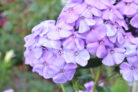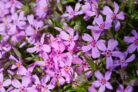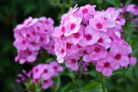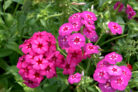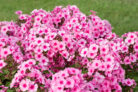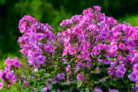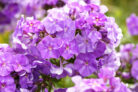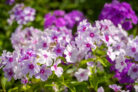
Timing is everything when it comes to a successful garden, and that’s definitely true for the gorgeous Phlox. Whether you call it “flame flower” or just Phlox, the best time to get it in the ground depends on how you’re starting your plants. We generally look at three categories:
- Established perennial plants
- Annual Phlox varieties
- Propagated new starts
When should you plant perennial Phlox?
The sweet spot for planting perennial Phlox is in the spring, right after the last frost has passed. This gives young plants plenty of time to establish a strong root system and get comfortable in their new home before winter rolls around.
Often, the Phlox you buy at the nursery is already well-developed and might even be close to its blooming season. If the root ball is sturdy, you can actually plant these almost any time of year, as long as the ground isn’t frozen. Just a heads-up: if you put your Phlox in the ground late in the fall, it won’t be fully winter-hardy yet, so make sure to give it some extra mulch or protection for its first winter.
What about the timing for annual Phlox?
Annual Phlox varieties can’t handle the cold. You’ll want to keep these guys cozy indoors until mid-May. Wait until the “Ice Saints” (those last spring frost dates) have passed before moving them outside. Once the risk of a freezing night is gone, they’re good to go!
When do you move propagated Phlox into the garden?
The calendar for propagating depends entirely on which method you’re using. Here are the most common ways to grow new plants:
- Root cuttings (also known as division)
- Stem cuttings
- Seeds
You can start root cuttings indoors once temperatures hit about 55°F (12°C), but they shouldn’t move to the garden until after the last frost. The same rule applies to stem cuttings. If you’re starting from seed, however, you can actually sow them directly outdoors as early as April. This works for both annual and perennial varieties!