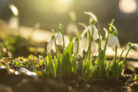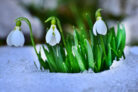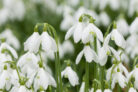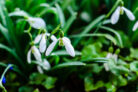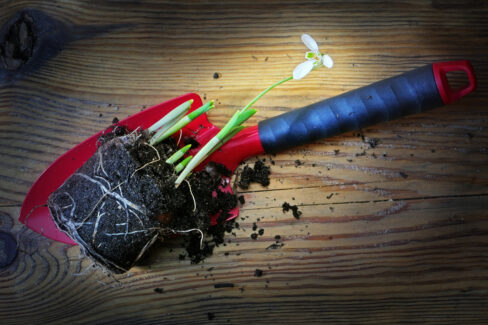
The snowy white blooms of snowdrops are the ultimate winter warriors, often poking their heads through a thick blanket of snow to signal that spring is on the way. Once you’ve got them established in your garden, they’re pretty self-sufficient, spreading through self-seeding or by producing little “daughter” bulbs.
Buying Your Bulbs
If you don’t have a neighbor willing to share, you’ll need to pick up some bulbs at your local garden center. A quick tip: be wary of the bargain bins at big-box discounters. Those are often wild-collected bulbs (like *Galanthus elwesii* or *Galanthus woronowii*) imported from overseas. They usually aren’t as reliable or “bloom-happy” as the classic Common Snowdrop (*Galanthus nivalis*) you’ll find at a reputable nursery—and they often cost just as much!
The Freshness Test
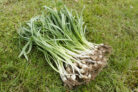
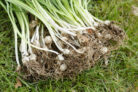
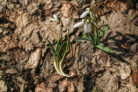
Snowdrop bulbs are a bit finicky; if they aren’t stored correctly, they dry out fast. Before you head to the checkout, give them a quick “squeeze test.” Hold the bulb between your thumb and forefinger and press gently. It should feel firm and plump. If it feels soft or mushy, it’s likely poor quality or already starting to rot, which means it won’t sprout.
When and How to Plant
The best time to buy and plant snowdrops is in the fall, specifically between late September and mid-November. These bulbs don’t handle long storage well, so you’ll want to get them in the ground (or a nice pot) as soon as you get home. Before planting, give them a little spa treatment by soaking them in water for a few hours. They love loose, humus-rich, slightly alkaline soil. Here’s the game plan:
- Dig a planting hole about 3 to 4 inches deep.
- Aim for about 5 bulbs per hole for a nice clump.
- Space the bulbs about 2 inches apart.
- Make sure the pointy end is facing up!
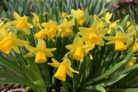
Once they’re in, fill the hole back up and press the soil down firmly. If you want to give them a little boost, mix some horn meal or a light organic fertilizer into the soil. Give them a good watering, and maybe pop a marker in the ground so you don’t forget where they are! Snowdrops play well with others, too—they look fantastic mixed with crocuses, tulips, winter aconite, or daffodils.
If you happen to buy pre-potted snowdrops in early spring, you can transplant those directly into your garden right away. Just a heads-up: every part of the snowdrop is toxic. It’s always a smart move to wear gardening gloves when handling them, and make sure to keep the bulbs away from curious kids and pets!