title: Planting Currants: Tips and Tricks for a Great Harvest
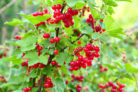
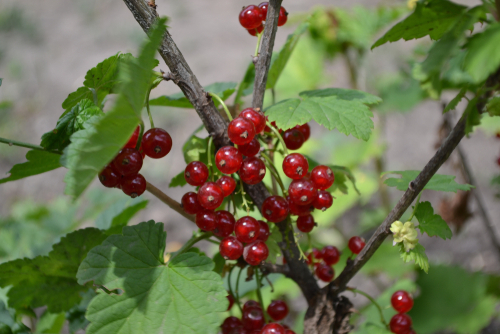
Currants are some of the easiest berry bushes you can grow in your backyard. Plus, they’re incredibly versatile in the kitchen—whether you’re making jams, tarts, or just snacking. To make sure your bushes thrive for years to come, there are a few key things to keep in mind when you’re getting them in the ground.
Timing
The best time to plant currants is either in the spring or early fall. During these windows, the soil is naturally moister, which means there’s less risk of your new plants drying out. Since the bushes are usually dormant (no leaves) at these times, they can focus all their energy on establishing strong roots rather than maintaining foliage.
If you’re buying potted currants, you can technically plant them year-round. However, transplanting them into the garden during the heat of summer is pretty stressful for the plant. They’ll require a ton of extra TLC and might still drop some leaves or look a bit ragged while they struggle to adjust.
Location
You’ll often see plant tags saying currants can handle partial shade, but if you want the best results, go for a sunny spot. More sun usually means more flowers and much sweeter, more aromatic fruit. As for the soil, they prefer it slightly acidic and well-draining. The good news? Currants aren’t particularly deep-rooted, so they don’t need incredibly deep soil to be happy.
Soil Prep
Depending on what you’re working with in your yard, you might want to prep the area before you start digging. These berries love nutrient-rich soil and will eventually need regular fertilizing. Giving the soil a little boost now gives your plants the best possible start.
If your soil is already rich, you don’t need to go overboard with extra compost or fertilizer. Your main focus should be drainage. Currants hate “wet feet,” so if your soil is heavy, consider adding some gravel or sand to the mix to keep things moving.
Preparing Your Plants
You can buy currants either in pots or as bare-root plants. If you have potted plants, give them a good soak for a few hours before planting. For bare-root plants, take a look at the root system first. Use your garden shears to snip off any damaged or dead roots.
It’s also a good idea to prune the bushes back a bit before planting. This is actually a great time to set aside some cuttings for propagation, as currants are super easy to grow from scratch. When pruning, focus on removing older canes that won’t be very productive in the coming seasons.
Getting Them in the Ground
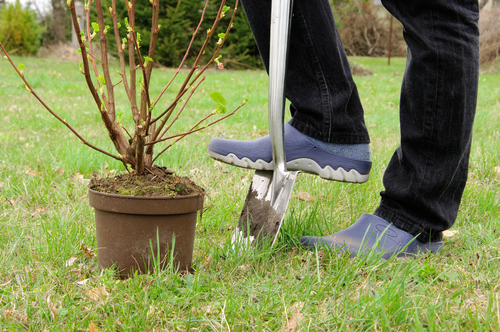
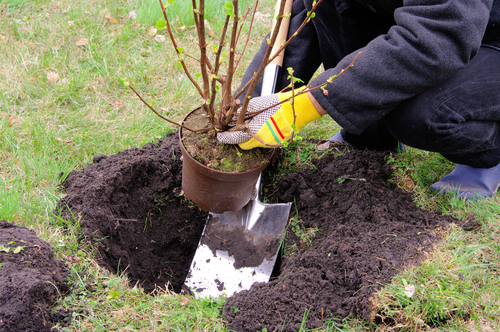
Dig a hole about twice the size of the root ball. For bare-root plants, aim for a hole at least 16x16x16 inches (40cm). Pro tip: Try to plant on a cloudy or drizzly day. It might not be the most fun for you, but it significantly reduces transplant shock for the plant.
Once the hole is ready, add a drainage layer if needed, toss in a little substrate, and set your plant. If you’re planting a row, make sure to keep a spacing of about 3 to 5 feet between bushes. People often underestimate how big currants can get—with the right care and a sunny spot, they can turn into quite impressive shrubs!
Aftercare
Once they’re in, currants are pretty low-maintenance. For the first few weeks, just make sure the soil doesn’t dry out completely. A layer of bark mulch is a lifesaver here; it helps retain moisture and keeps the soil pH slightly acidic, exactly how currants like it.