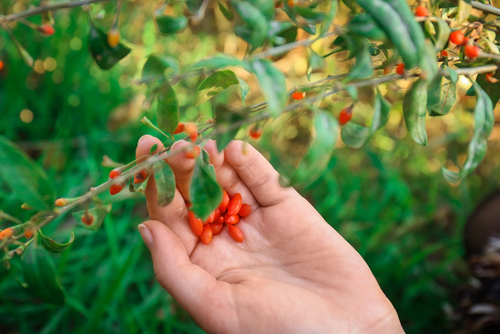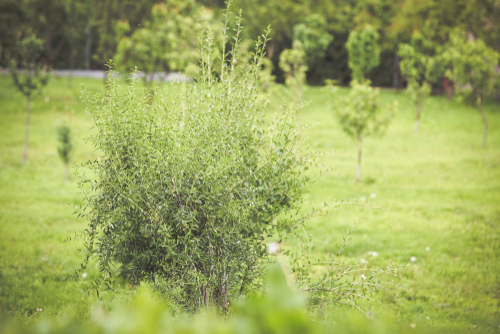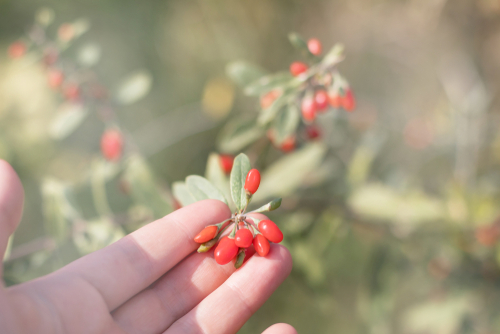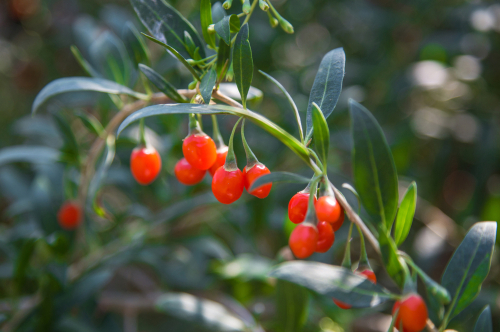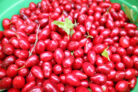
Ever since the turn of the millennium, Goji berries have been having a major moment in the gardening world. They’ve earned a reputation as a powerhouse “superfood,” and more and more people are realizing that you don’t have to rely on the health food store to get them—you can actually grow them right in your own backyard! Plus, growing your own comes with some pretty great perks compared to buying the imported stuff.
Where do Goji berries actually come from?
The Goji berry is a member of the nightshade family and calls Asia its original home. Most experts believe they originated in China, which is also where the name comes from—”Goji” roughly translates to “happiness” or “luck.” Depending on who you ask, you might also hear them called:
- Common Matrimony Vine
- Chinese Wolfberry
Why should you grow your own Goji berries?
Most of the Goji berries you find in stores are imported from China, which means they’ve traveled a long way before they ever reach your kitchen. If you want to enjoy the berries fresh, you really need to have them available immediately after harvesting. Another big reason to go DIY? Quality control. When you grow them yourself, you don’t have to worry about mystery pesticides or whether the plants were watered with contaminated sources. You know exactly what went into your fruit.
Tips for growing Goji berries in your garden
The best thing about Goji berries is that they are incredibly low-maintenance. They aren’t picky about soil and can handle a bit of a dry spell. To make sure your planting is a success, try to find a spot that offers:
- Plenty of full sun
- Lots of warmth
- Enough space to stand alone
- At least 10 square feet (1 m²) of room
One thing to keep in mind: Goji berries love to spread via underground runners. To keep them from taking over your whole yard, I highly recommend using a root barrier or simply growing them in a large container. Also, if you plant a second bush nearby, you’ll often see better growth and more flowers. For fertilizer, a simple layer of compost once a year is usually all they need.
Because these shrubs can get a bit wild and leggy, you’ll want to give them a regular pruning to manage those long, arching branches. A little “training” goes a long way in keeping the plant compact and manageable. As an added bonus, keeping your Goji berry well-trimmed makes it much less likely to deal with powdery mildew.