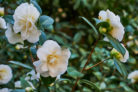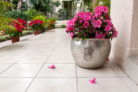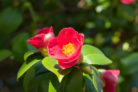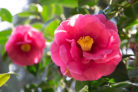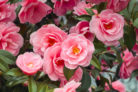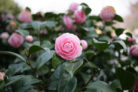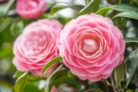
If you ask a group of gardeners whether you should plant a camellia directly in the ground, you’re going to get a lot of different answers! It’s a hot topic in the gardening world, and opinions are about as diverse as the varieties themselves. The big “million-dollar question” is always the same: Can these beauties actually survive a cold winter outdoors?
Camellia Varieties
When it comes to hardiness, not all camellias are created equal. Here’s the breakdown:
- Camellia japonica: Generally speaking, the standard “Japanese Camellia” isn’t considered winter-hardy.
- Specific Cultivars: Varieties like “Donation,” “Black Lace,” and “Elegans” are considered moderately hardy and can handle a bit of a chill.
- Sasanqua Camellias: The fall-blooming *Camellia sasanqua* is tougher than you might think, often surviving in Zone 7 (down to 0°F to 10°F).
- “Ice Angels”: These Ackermann hybrids are the real MVPs of the cold. Depending on the specific variety, they’re bred to withstand temperatures as low as -15°F.
Origin Matters
Folks who advocate for planting camellias outdoors often point to one major factor: where the plant was raised. If you buy a camellia that was grown locally in your climate, it’s already acclimated to your regional weather patterns, giving it a much better head start than a greenhouse-pampered plant from a warmer climate.
Age is Just a Number (But it Counts!)
In addition to origin, experienced growers say age is key. A camellia usually needs to be at least four or five years old before it’s “tough” enough to handle being moved permanently into the garden.
Climate and Microclimates
In the U.S., camellias thrive outdoors in milder regions (think the Pacific Northwest, the South, or coastal areas). However, the specific microclimate of your chosen spot is just as important as your zip code. A sheltered, partially shaded area—ideally near a house wall—helps protect the plant from the elements. The real enemies here are harsh winter winds and that intense, direct winter sun, which can dry the plant out fast.
Timing Your Planting
Timing is everything! You’ll want to get your camellias in the ground between mid-March and the end of July. This gives the root system plenty of time to establish itself before the first frost hits, making it much easier for the plant to survive the winter outdoors.
The Perfect Soil
To keep your camellia happy, your soil should be:
- Loose and airy
- Well-draining
- Rich in organic matter (humus)
- Acidic (low pH)
How to Plant
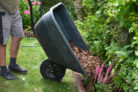
When you’re ready to dig, make sure the hole is twice as wide as the root ball. Once you’ve set it in the ground, give it a very thorough watering. Pro tip: Apply a good layer of mulch over the soil surface. This helps retain moisture and protects the roots from drying out, whether it’s the heat of summer or the freeze of winter.