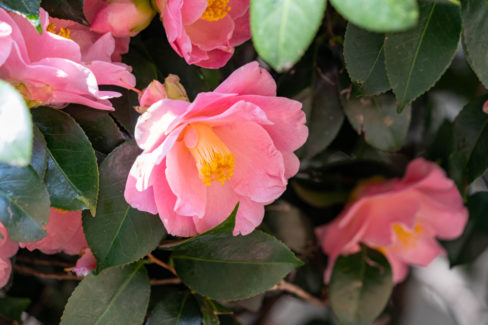
Camellias are often labeled as “divas” because of their sensitivity to frost. It’s a bit of a bummer, honestly, because their stunning blooms make them so worth the effort. But let’s be real—nobody wants to spend their entire winter fussing over a single plant. So, do you have to settle for a high-maintenance relationship, or are there actually hardy camellias out there?
Don’t Fall for the Marketing Hype
You’ll often see camellias at the garden center labeled as “hardy.” Take that with a grain of salt. While these varieties can handle a light frost, they usually start to struggle once the thermometer dips below 23°F (-5°C). In most parts of the U.S., that’s just a typical Tuesday in January!
Can They Stay Outside?
It *is* possible to overwinter a camellia outdoors or on your patio, especially if you live in a milder climate where nights rarely drop below freezing. If you find a cozy, sheltered spot, they might pull through just fine. However, keep in mind that leaving them out in the cold often leads to fewer blooms the following spring.
Pro Tip: Camellias are just as happy in containers as they are in the ground. In fact, keeping them in pots is way more practical because it makes it so much easier to move them between the patio and a protected indoor space when a cold snap hits.
Creating the Perfect Winter Sanctuary
If you want your *Camellia japonica* to thrive, its winter home should check these two boxes:
- Cool but frost-free
- Plenty of light
Light is the big one here. Even in the winter, camellias crave up to 16 hours of light a day to stay healthy. This is why they love being out on the patio on those mild, sunny winter days. If you decide to keep yours indoors full-time for the season, park it right by a bright window. If your house is a bit dark, a simple grow light can work wonders to make up the difference.
No Frost, But Keep It Cool
Just because camellias hate freezing temperatures doesn’t mean they want to be toasty warm all winter. They actually *need* a cold period—a process called stratification. If they stay too warm, they might skip blooming altogether in the spring. The plant uses those cool ambient temperatures as a signal for when it’s safe to start new growth. It’s a clever natural defense mechanism that prevents them from budding too early and getting nipped by a late frost.