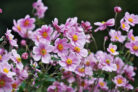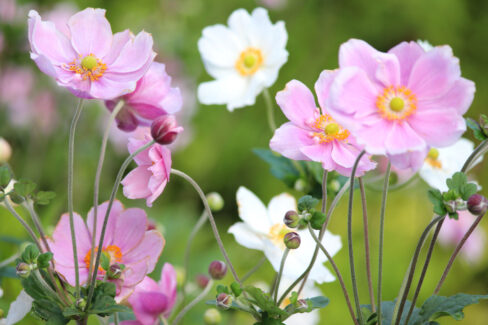
The “Anemone Hupehensis”—or as most of us call it, the Japanese Anemone—is a total showstopper in the garden. With its delicate, cup-shaped blooms in shades of pure white, soft rose, and vibrant pink, it’s a must-have for any flower bed. Here’s how you can make this hardy perennial a star in your own backyard.
Planting Your Japanese Anemones
The Japanese Anemone is a late-summer bloomer that keeps the party going well into the fall. If you want to enjoy those colorful blossoms, the best time to plant is in the spring. One pro tip: give your plants some support with a peony ring or a perennial stake. These beauties can grow up to 5 feet tall, and those gorgeous, heavy flower heads sit on surprisingly thin, wiry stems.
A support ring also prevents your anemones from getting flopped over by a heavy summer rain. Once they’re established and anchored in the soil, they are practically indestructible. Just a heads-up: they spread pretty quickly through a long, thin root system, so give them some room to roam!
The Perfect Spot: Light and Soil
Pretty much all varieties of Anemone Hupehensis thrive in full sun to light shade. When picking the perfect spot, try to find a place where the sunlight hits them evenly. If the light only comes from one side, those colorful blooms will all lean in that direction, looking a bit lopsided.
The general rule for Japanese Anemones is: the more light they get, the more they’ll grow and bloom. But there’s a catch—the more sun they get, the more water they need. You’ll want to keep the soil moderately moist, especially during the heat of summer. These plants are a bit like Goldilocks; they don’t like to be bone-dry, but they hate “wet feet” (standing water), too.
Quick Tip: White-flowering varieties tend to be a little more finicky than their pink or rose-colored cousins.
Caring for Your Anemones
Since Anemone Hupehensis loves to spread out and grow wide, you might find they eventually take over a bit too much space. To keep them in check and encourage healthy new growth, it’s a great idea to divide the plants in the spring. This gives them plenty of time to establish new roots before they start blooming in late summer.
Quick Tip: For a stunning look, plant several anemones together in a group. They look incredible as a backdrop for low-growing, evergreen groundcovers!