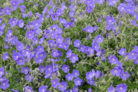
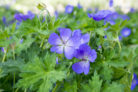
Hardy geraniums, also known as Cranesbill, are beloved by gardeners all over the world and have been a staple in cultivated gardens for centuries. There are about 400 different species out there, plus a huge variety of cultivars. Botanically speaking, they belong to their very own family: the *Geraniaceae*.
Finding the Perfect Spot
The cool thing about hardy geraniums is how much they vary. They differ in their blooms, flowering times, and—most importantly—where they like to grow.
Whether you have a sun-drenched patio or a shady corner, there’s a geranium for you. Just make sure to check the specific needs of your variety before you dig. Here’s a quick cheat sheet:
- Sunny and moist: Great for the Pyrenean, Himalayan, Showy, Meadow, and Armenian geraniums.
- Partial shade and moist: The Himalayan and Wood geraniums feel right at home here.
- Sunny and dry: Go for Bloody Cranesbill, Caucasian, Cambridge, or Ashy geraniums.
- Shady and dry: The Balkan, Knotted, and Mourning Widow geraniums are your best bets.
- Shady and moist: Wood, Marsh, and Oxford geraniums love these damp, cool spots.
Soil Preferences
When it comes to soil, most hardy geraniums are on the same page. They generally prefer a loamy, humus-rich soil. Some like it a bit drier and others a bit wetter, but they all appreciate plenty of nutrients. The most important rule? Good drainage. While they like moisture, “wet feet” (standing water) is a surefire way to damage your plants.
Planting Tips
The best time for planting hardy geraniums is in the spring. You can also start them from seed in trays indoors. Once those little seedlings show their third leaf, they’re ready to head out into the garden. Depending on the variety, you’ll want to space them out properly—usually, the plant tag or seed packet will tell you exactly how many to plant per square foot so they have room to spread.
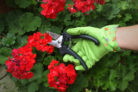
If you get the location and soil right, you’ll be rewarded with a lush carpet of delicate flowers from spring all the way through fall, depending on the species. Pro tip: If you have early-blooming varieties, give them a good trim after the first flush of flowers; this often encourages them to bloom a second time!
Can’t get enough of these beauties? You can easily expand your collection by collecting your own seeds, taking cuttings, or simply dividing established, healthy clumps.