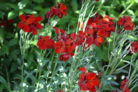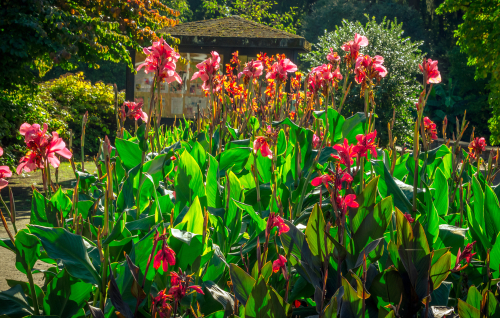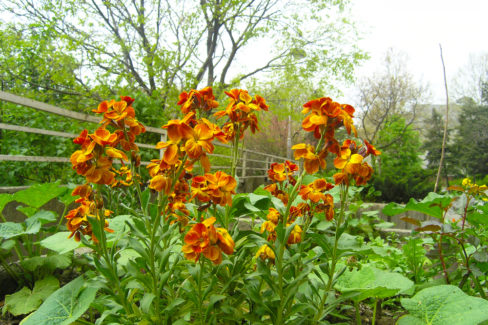
Wallflowers (Goldlack) have a huge leg up on many other Mediterranean plants: they are incredibly easy to grow in cooler climates. In fact, they’re so hardy that they often “escape” the garden and start popping up in the wild! If you’re looking for a low-maintenance beauty, here is how to get started.
Finding the Perfect Spot
To get the most out of your wallflowers, location is everything. These plants absolutely love the sun, so try to find a spot that gets full sun all day. The more sunshine they get, the more vibrant the blooms will be—and the scent will be much more intense, too!
When it comes to soil, wallflowers prefer things a bit on the alkaline side. If your soil is naturally acidic, a little bit of lime will do the trick. Just make sure the ground is well-draining; a sandy, humus-rich soil is the “Goldilocks” zone for these plants.
Planting Your Wallflowers
If you’re starting with young plants, you’ll want to get them in the ground by early fall. Dig your holes about two to four inches deep, and make sure to give them some breathing room—at least 12 inches between each plant is ideal.
The best part? They aren’t high-maintenance. Just keep the soil consistently moist. You don’t even need to worry about fertilizer until the following summer. Once they’re established, a monthly dose of standard liquid fertilizer is plenty. If you’re growing them in pots, though, they’ll be a bit hungrier, so aim for a weekly feeding.
Starting from Seed
If you’d rather start from scratch instead of buying nursery starts, you can easily propagate wallflowers from seed. If you already have some in your garden, you can even harvest your own! Just make sure not to deadhead the faded flowers at the end of the blooming season so the seeds have a chance to fully ripen.
Whether you bought your seeds or saved them yourself, here’s the game plan:
- In the spring, once the threat of night frost has passed, prep a seedbed with fine, crumbly soil.
- Scatter the seeds and cover them with a layer of soil using a sifter. You want the cover to be about three times the thickness of the seed itself, as wallflowers need darkness to germinate.
- Keep the soil consistently moist, and you’ll see sprouts in no time!