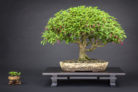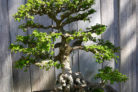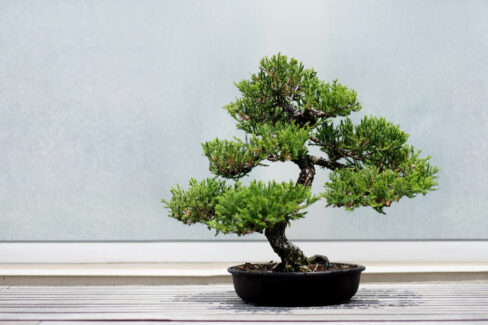
The art of Bonsai, which has its roots in Asia, has become a huge hit among gardeners here at home. If you’re looking to start your own miniature masterpiece, certain types of Juniper are actually perfect for the job. With the right spot and a little TLC, a Juniper Bonsai can be a beautiful companion for years to come.
The Best Juniper Species for Bonsai
There are tons of Juniper varieties out there, but not all of them are cut out for the Bonsai life. When you’re picking one out, the main thing to look at is the foliage. Generally, they fall into two camps:
- Varieties with needle-like leaves
- Varieties with scale-like foliage
Needle-Foliage Varieties
The most famous needle-leaf variety is the Common Juniper (*Juniperus communis*). This one is a total favorite for beginners! Not only is it hardy and easy to care for, but it’s also super flexible when it comes to shaping and styling.
Scale-Foliage Varieties
On the flip side, you have Junipers with soft, scale-like evergreen foliage. These look incredibly lush and are very popular in the Bonsai world. The top picks here are:
- The Chinese Juniper (*Juniperus chinensis*)
- The Shimpaku Juniper (*Juniperus chinensis var. sargentii*)
The Unique Charm of the Shimpaku Bonsai
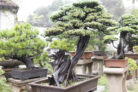
The Shimpaku is in a league of its own. Unlike some Bonsai that look very “manicured,” the Shimpaku is known for its wonderfully chaotic, twisted branching patterns. This natural, rugged growth habit is exactly what gives the Shimpaku its iconic and extraordinary look.
What Makes a Good Bonsai Candidate?
To really thrive as a Bonsai, a plant needs a few specific traits. First off, a strong, stable root base (or “nebari”) is key. This keeps the tree steady in those shallow Bonsai pots. You also want a plant with plenty of well-developed branches; this gives you the “raw material” needed to prune and shape it into a classic silhouette. One of the best things about Junipers is that they grow relatively slowly. This means your tree will hold its shape for a long time, and you won’t have to worry about pruning it constantly.
Caring for Your Juniper Bonsai
The great news is that a Juniper Bonsai is just as low-maintenance as its full-sized cousins in the garden. When it comes to finding the perfect spot, they aren’t too picky—as long as they get plenty of sun! A bright, warm balcony or patio is usually the “sweet spot” for these little trees.
As for watering, keep the soil consistently moist but never soggy (root rot is a party pooper!). During the growing season, you can give it a boost with liquid fertilizer every week or use a slow-release fertilizer stake once a month.
Why They Don’t Make Great Houseplants
You’ll often see Bonsai kept indoors (especially in bathrooms), but I wouldn’t recommend that for a Juniper. These trees are sun-worshippers! Without direct natural light and fresh air, a Juniper Bonsai will struggle to thrive. To keep yours happy and healthy, make sure it stays in a bright, airy, and sun-drenched outdoor spot.