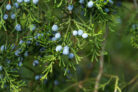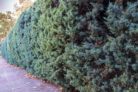
Generally speaking, juniper is a super tough and resilient plant. But even the hardiest garden favorites can run into trouble every now and then. While it’s pretty rare, your juniper might occasionally deal with a few specific diseases. Here’s the lowdown on what to look for and how to handle it like a pro.
The Most Common Issues
Junipers don’t get sick often, but when they do, it’s usually one of these four culprits:
- Tip blight (dieback),
- Juniper blister rust,
- Pear trellis rust, or
- Hawthorn rust.
All of these are caused by a fungal infection. The good news? They usually don’t cause any permanent, serious damage to your juniper if you catch them early.
Tip Blight
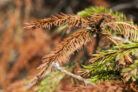
If your juniper is suffering from tip blight, the first thing you’ll notice is the needles changing color. You might also see tiny black fruiting bodies popping up on the needles and shoots. This fungus mostly targets younger plants. If you spot it, just carefully prune away all the affected branches to keep it from spreading.
Juniper Blister Rust
This one is caused by two specific types of rust fungi. These fungi are “host-switchers,” meaning they need two different types of woody plants growing near each other to complete their life cycle and reproduce.
Pear Trellis Rust
Pear trellis rust is another fungal issue that likes to show up in the spring. You’ll notice swellings or “galls” on the woody stems. When the weather gets damp, these spores swell up into jelly-like orange masses. These tiny spores then hitch a ride on the wind over to nearby pear trees—which is exactly how the disease got its name!
Hawthorn Rust
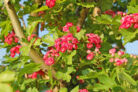
Similar to its pear-loving cousin, Hawthorn rust is a fungus that eventually moves over to hawthorn trees. On your juniper, it creates tongue-shaped spore deposits that are a bright, vibrant orange. When it’s rainy, they get gooey and gelatinous; when it dries out, they shrivel up and disappear from view.
Prevention and Treatment
For mature junipers, a little fungus is rarely a death sentence. The best move is to prune away any infected branches and shoots as soon as you see them to stop the spread. However, you’ll want to be more aggressive with treatment if the fungus is spreading to the foliage or if you have roses nearby, as these fungi can be much tougher on your rosebushes.
To keep your juniper in tip-top shape and prevent issues before they start, try spraying it regularly with horsetail extract (a great natural strengthener!) or using a fertilizer high in potassium to boost the plant’s natural defenses.