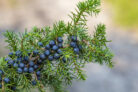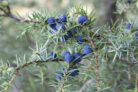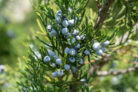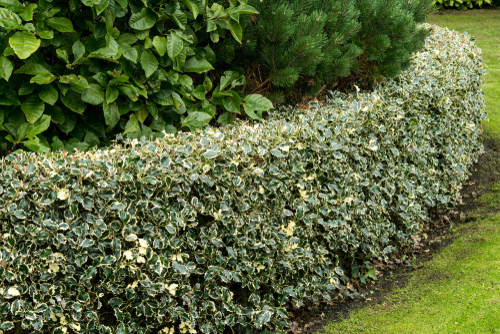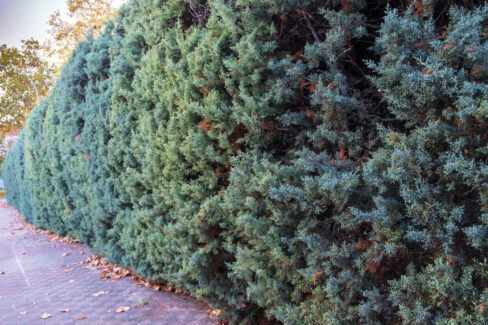
Juniper is a fantastic choice for hedging thanks to its unique characteristics. In this guide, I’ll walk you through which varieties work best and how to turn individual shrubs into a lush, evergreen privacy screen.
Why Juniper Makes a Great Hedge
If you’re looking for a reliable hedge plant, juniper is a top-tier contender. One of the best things about it is how well it handles pruning and shaping, and it’s tough enough to thrive in almost any location you pick. Another huge plus? Juniper is a relatively slow grower. This means your hedge stays in shape much longer, saving you from having to drag out the shears every other week. Since it’s evergreen, it provides a solid, year-round privacy barrier and looks great as a focal point along garden paths or property lines.
The Best Varieties for Hedging
Junipers come in all shapes and sizes, but not every variety is cut out for hedge duty. For example, those low-growing groundcover types won’t give you the height or density you need. For a proper hedge, you want upright, sturdy varieties that reach for the sky. Here are a few of my favorites for the job:
- The Rocky Mountain Juniper (Juniperus scopulorum)
- The Eastern Red Cedar “Helle” (Juniperus virginiana Helle)
- The “Gold Cone” Common Juniper (Juniperus communis Gold Cone)
How to Plant Your Hedge
When you’re ready for planting, the most important thing to keep in mind is the spacing. If you plant them too far apart, they’ll never fully knit together, leaving you with awkward gaps. To get that perfectly uniform, “no-peeking” look, I recommend spacing your plants about 28 to 40 inches (70 to 100 cm) apart.
Keeping Your Hedge Happy
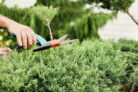
When your hedge is young, keeping it well-watered is key to getting it established. Give it a deep soak, but make sure the soil drains well—junipers hate “wet feet” (standing water). Once the hedge is established, it becomes much more drought-tolerant and won’t need watering as often. To keep that crisp hedge look, a regular shaping trim is essential. Prune the plants so they blend into one seamless wall, and snip back any rogue branches that stick out. Just be careful not to over-prune into the old wood, as you want to avoid creating any bare spots!