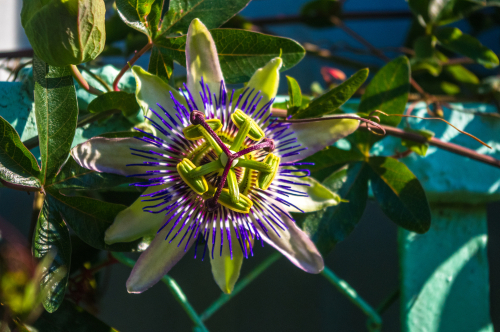
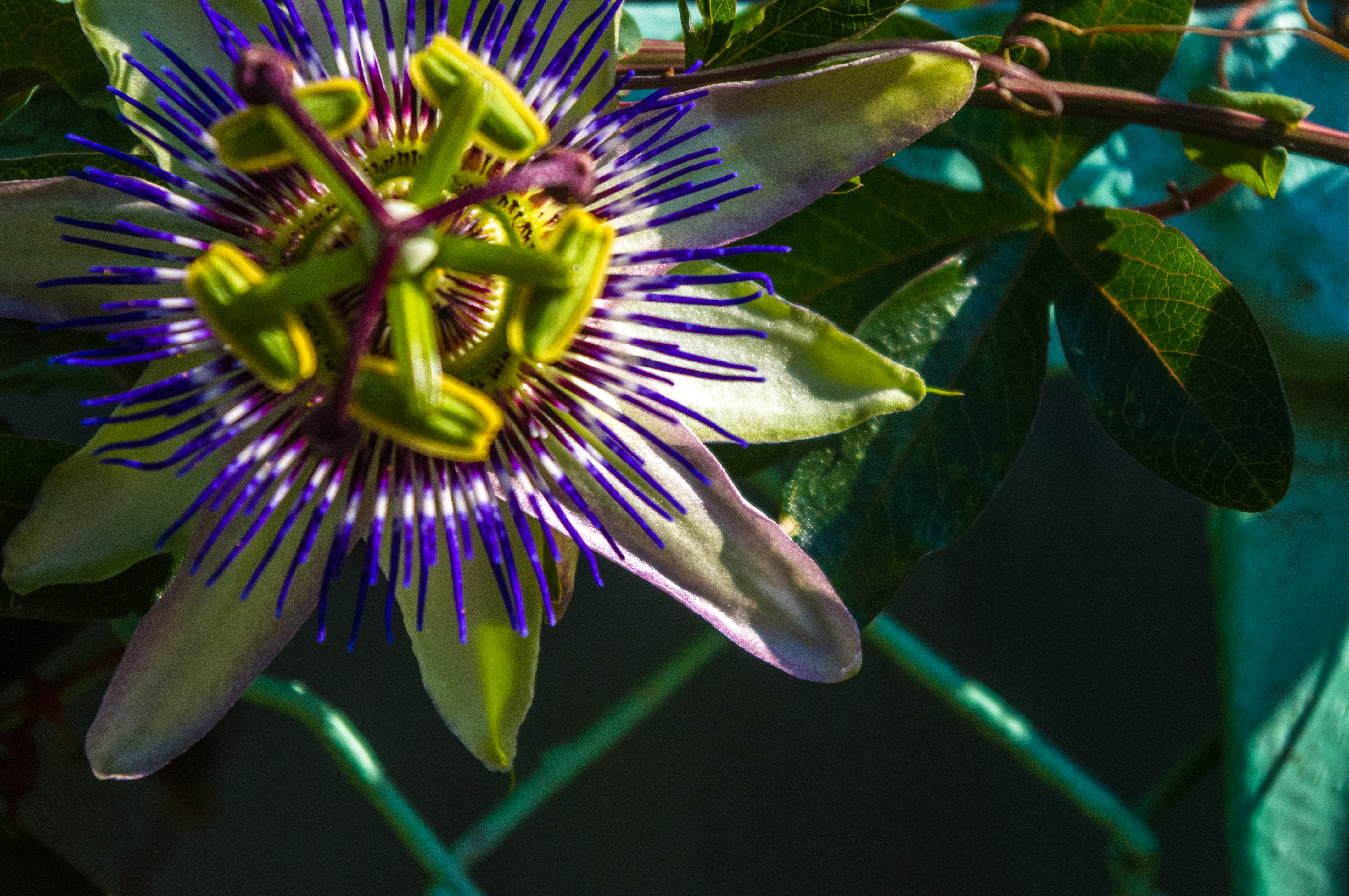
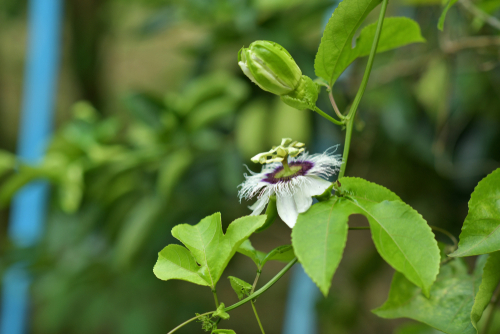
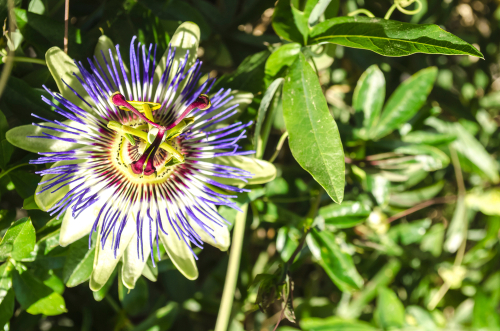
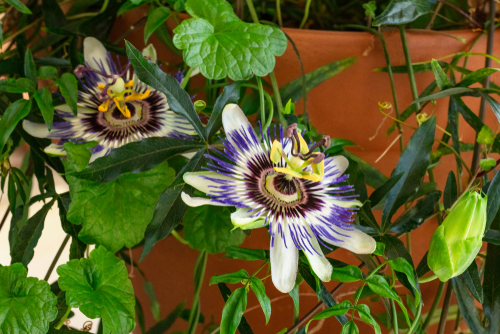
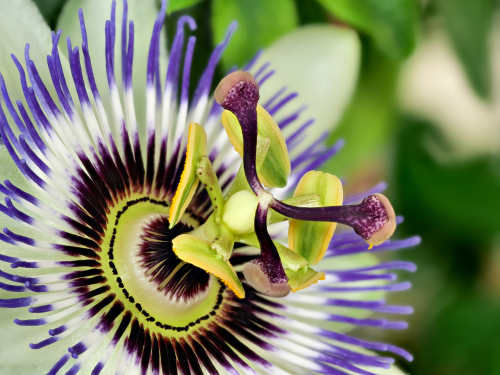
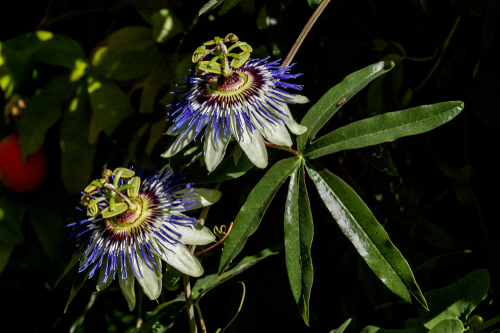
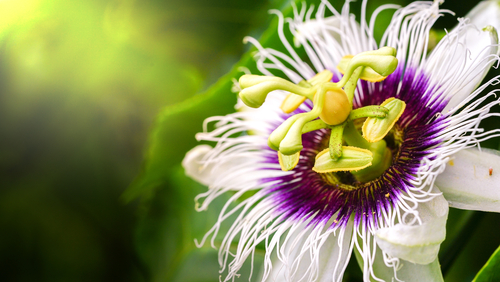
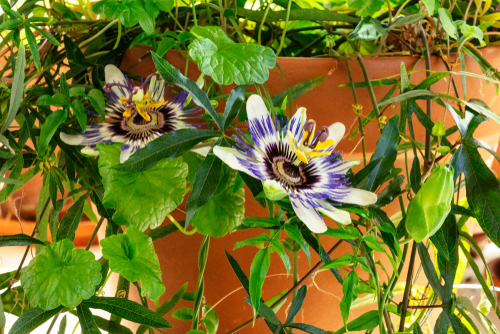
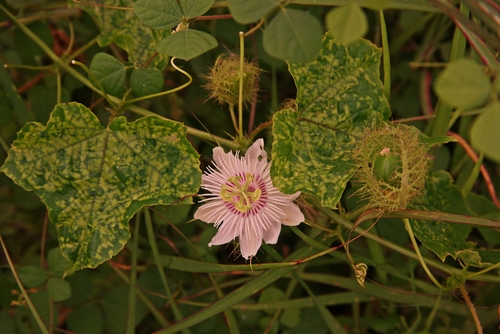
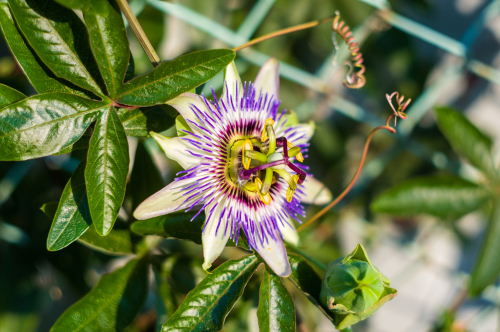
Passion flowers are absolute showstoppers in the garden, but let’s be real—these beauties can be a bit high-maintenance. They’re definitely the “divas” of the plant world, especially when it comes to staying fed and happy during the warm summer months.
Don’t Wait Until the Soil is Spent
Since only a handful of the 500+ passion flower species are actually cold-hardy, most of us grow our Passiflora in containers on the patio or balcony. The catch? Potted soil runs out of steam fast. Because these vines are non-stop blooming machines all season long, they burn through nutrients like crazy. To keep them thriving, you’ll need to give them a fresh start in a new pot every now and then.
How to Repot Like a Pro
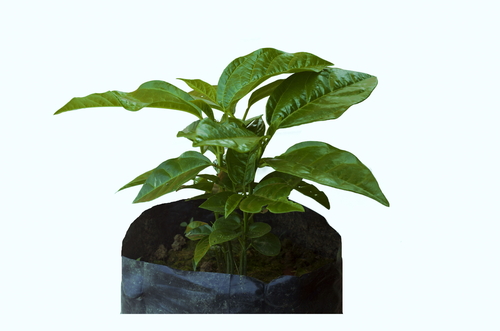
Spring is the absolute best time to repot your passion flower. If you didn’t get around to pruning it back in the fall, go ahead and do that now before you start. Once you’re ready, here’s the game plan:
- Give the old pot a few good taps to loosen up the soil.
- Gently lift the plant out.
- Shake off as much of that old, tired substrate from the roots as you can.
- Take a peek at the roots—snip off anything that looks damaged or mushy.
- Grab your new pot and add a layer of gravel at the bottom for drainage (crucial for preventing root rot!).
- Add some fresh, high-quality potting mix.
- Set the root ball in, fill in the gaps, and tuck it in.
- Give the soil a light press to settle everything.
- Give it a good drink of water, but make sure it’s draining well—passion flowers hate “wet feet.”
Keep the Fertilizer Coming
Even with fresh soil, don’t stop there! Your passion flower is going to need a steady supply of “fuel” to bounce back from pruning and grow those gorgeous roots. I recommend fertilizing every one to two weeks. Trust me, with that extra boost of energy, your Passiflora will thank you with a spectacular floral show all summer long!