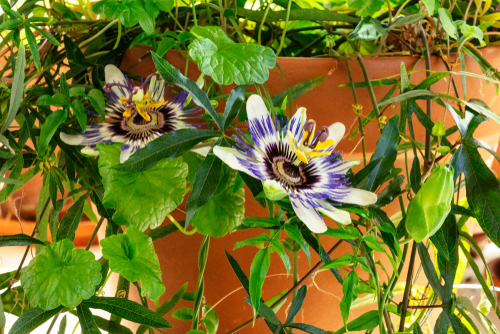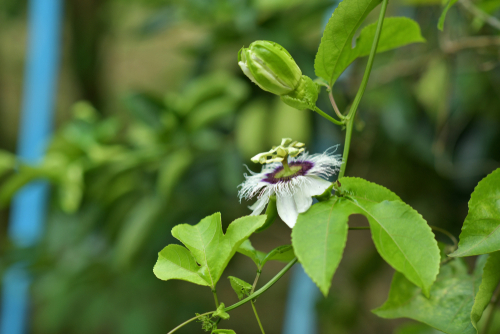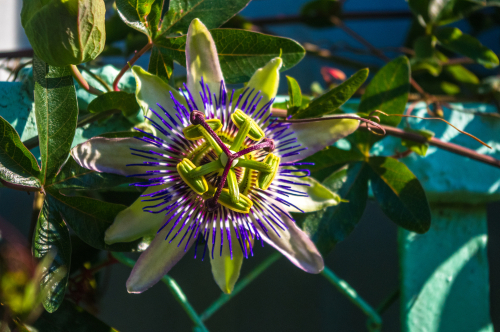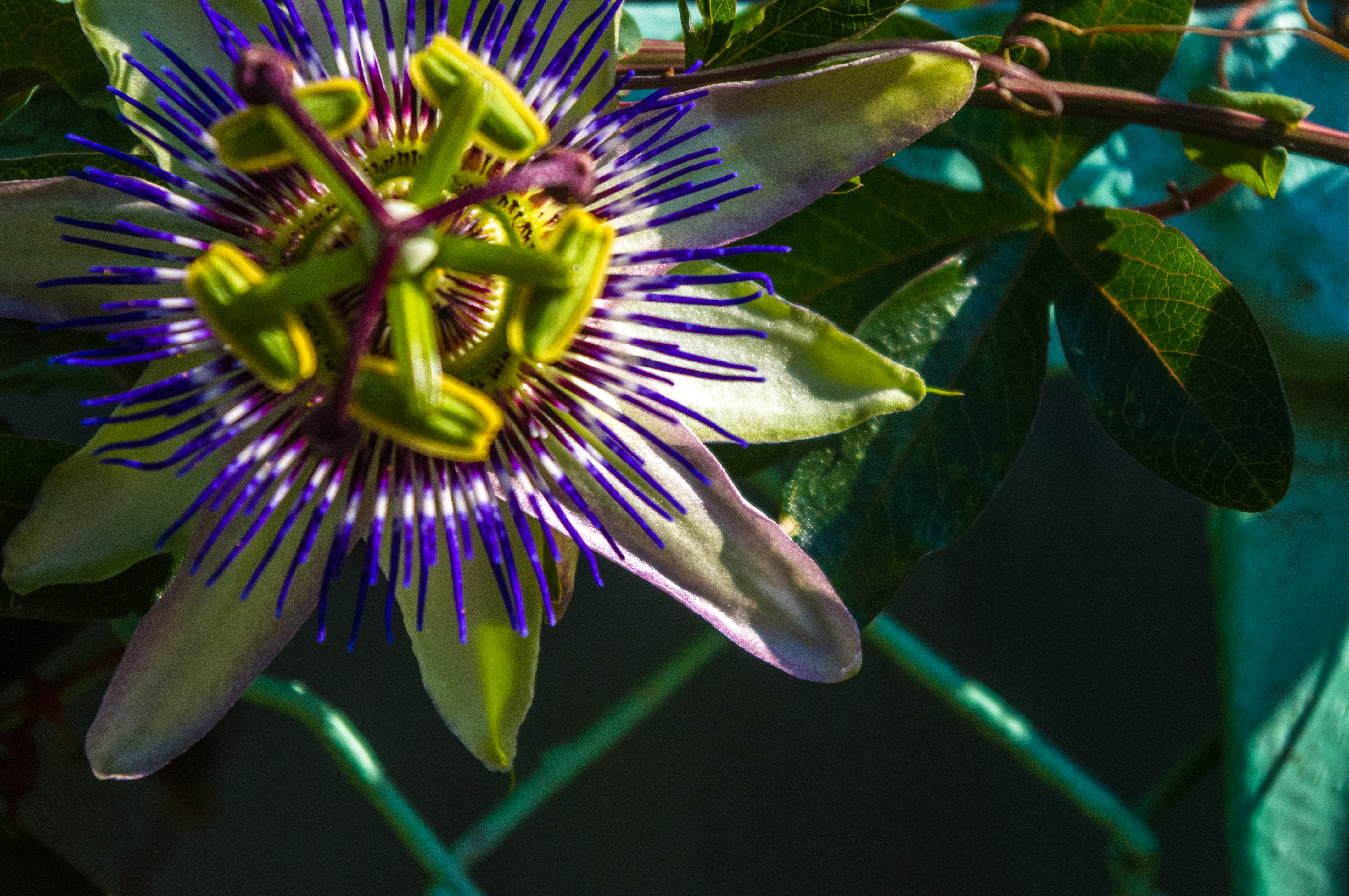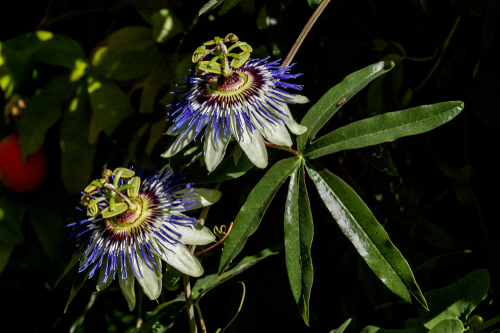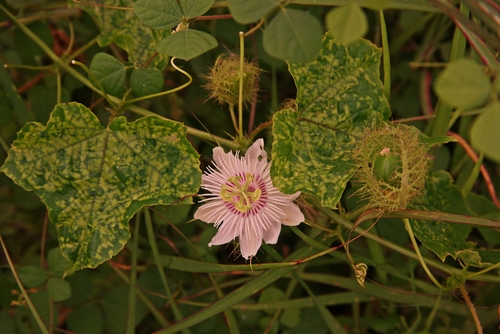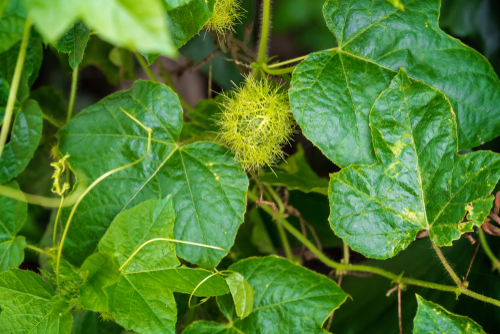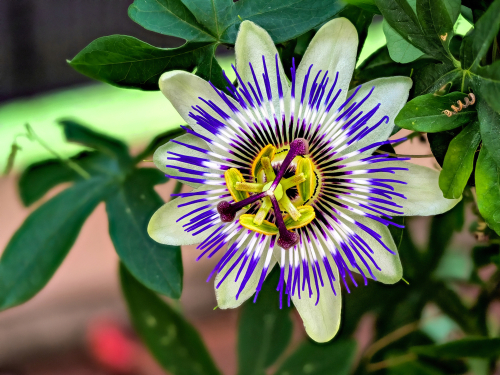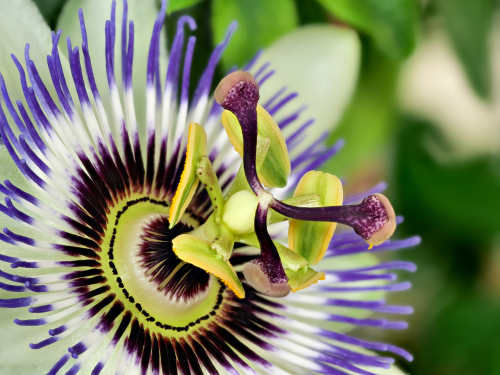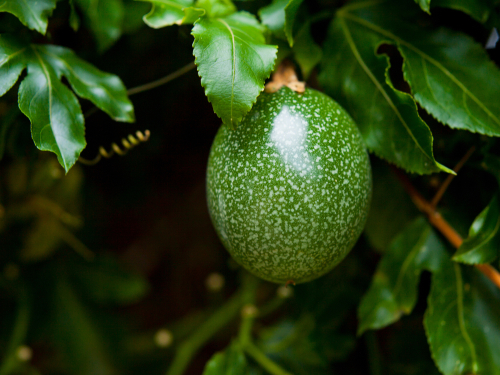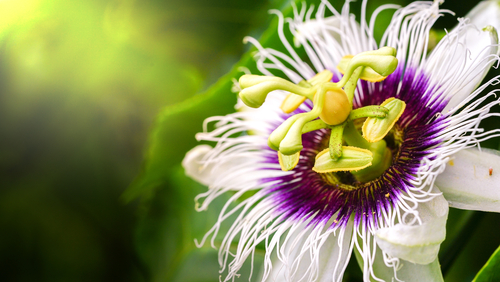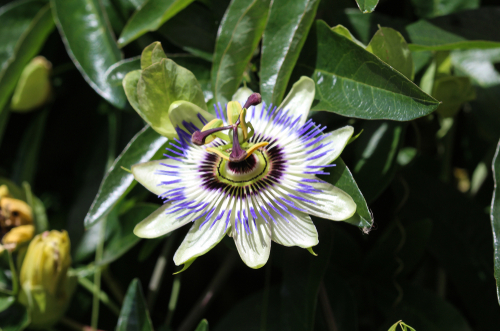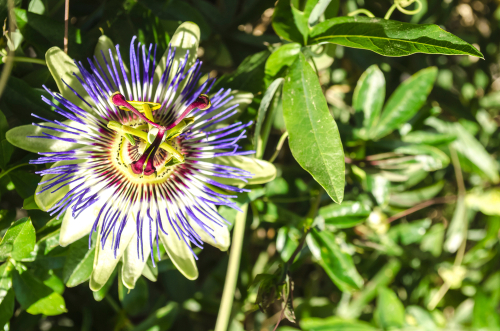
The exotic beauty of the passionflower (or *Passiflora*) is truly one of a kind, and it’s no mystery why. With over 530 species originating from South and Central America, these tropical beauties bring a serious vacation vibe to any backyard. However, because of their tropical roots, most varieties aren’t fans of the cold and crave as much sunlight as they can get during the growing season.
Soak Up the Sun
When picking a spot in your garden, think “the sunnier, the better.” You’ll want to find a location that gets plenty of light but is also tucked away from harsh winds. Since the passionflower is a climbing plant, it’s going to need something to hold onto. A south-facing wall is usually the perfect setup—it provides a sturdy structure for climbing and reflects extra heat to keep the plant happy.
Getting the Soil Just Right
Beyond just catching rays, your passionflower is a hungry (and thirsty!) plant. It needs nutrient-rich soil that stays consistently moist but never soggy. In our climate, passionflowers generally won’t survive a frost, so overwintering them outdoors isn’t really an option. Your best bet is to plant them in a large pot so you can move them inside when the temperature drops. A high-quality, commercial potting mix or any humus-rich soil will work wonders.
Focus on Drainage
To keep your plant’s roots healthy, I recommend mixing a little sand into your potting soil to improve drainage. Adding a layer of expanded clay pebbles (like LECA) at the bottom of the pot is another pro tip—it helps excess water flow out and prevents the dreaded root rot. This is super important because, during those scorching summer days, you’ll need to water your passionflower quite frequently.
To recap, here’s the checklist for the perfect passionflower home:
- A spot with as much direct sunlight as possible.
- A sheltered location protected from wind and harsh weather.
- Loose, nutrient-rich soil with excellent drainage.