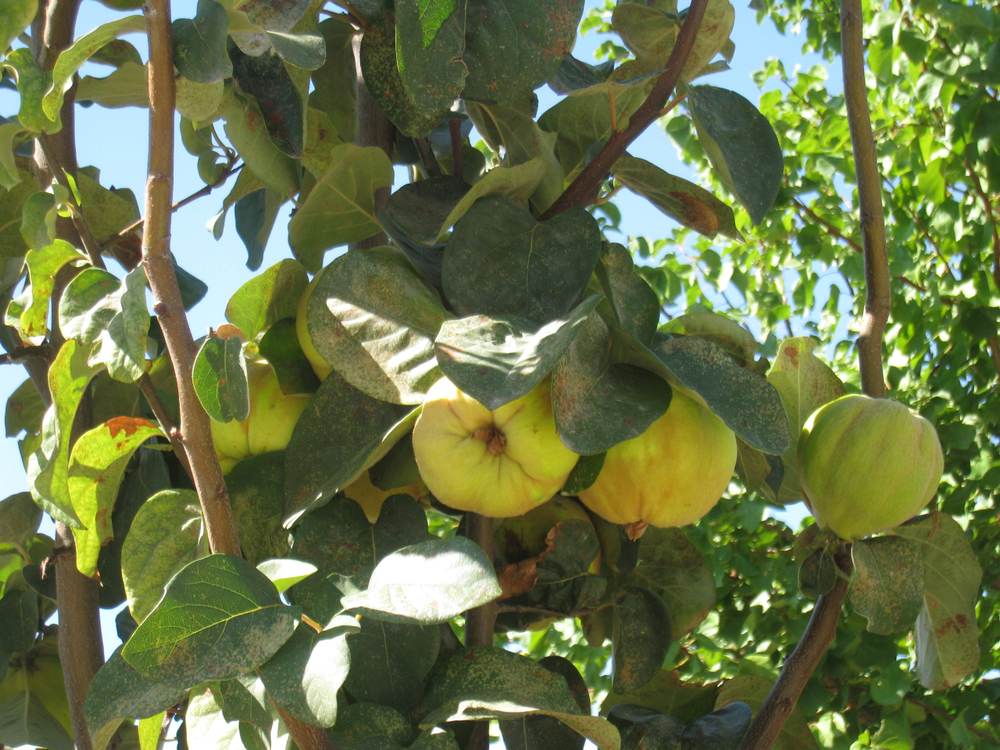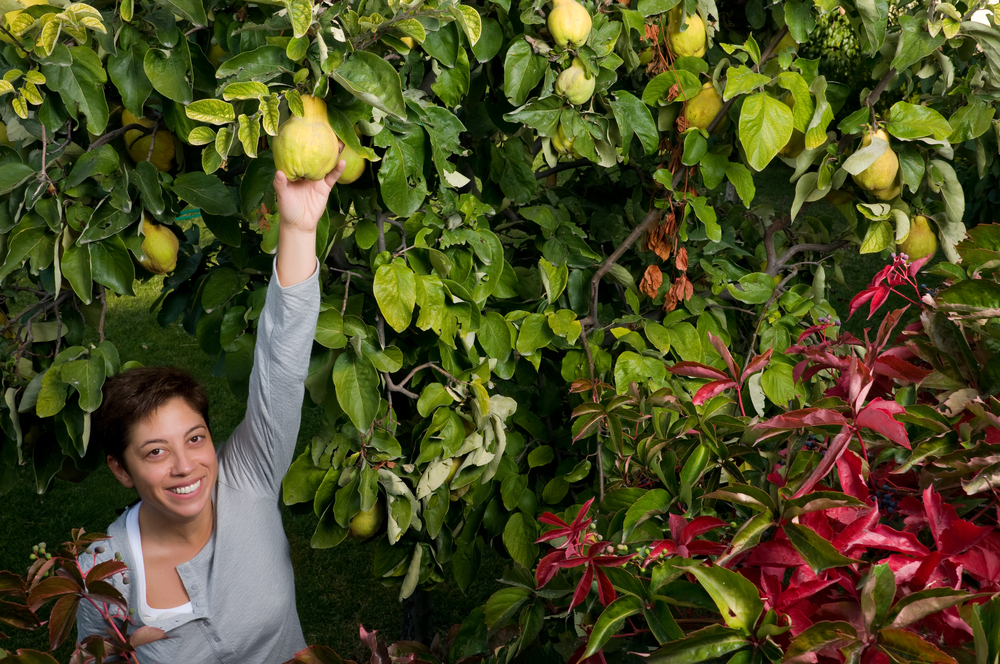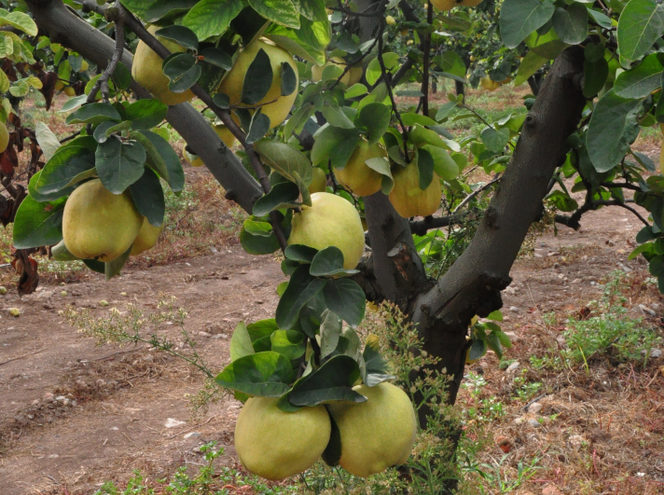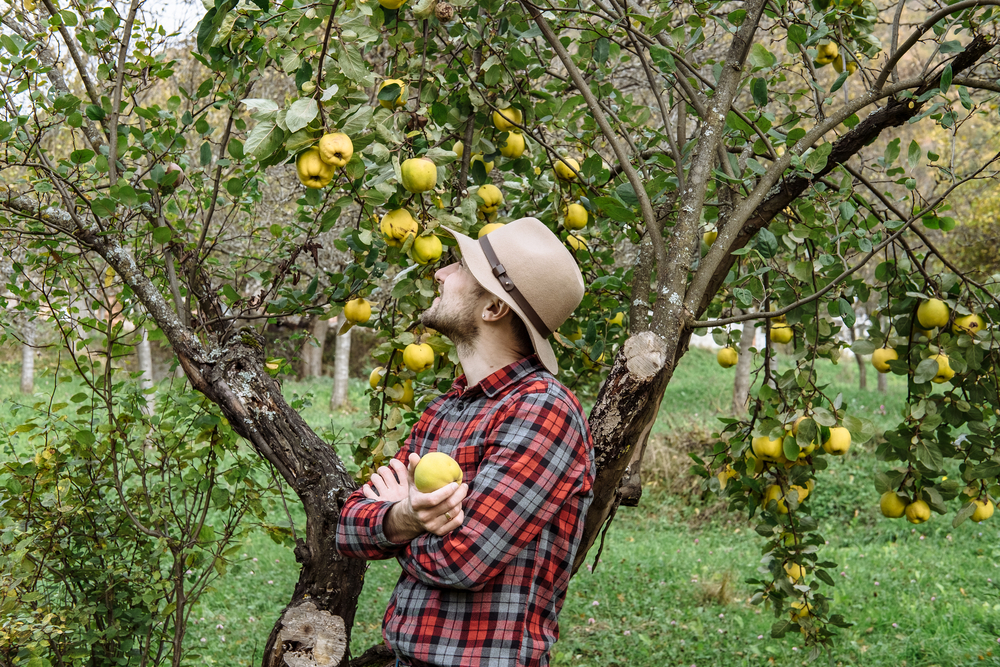
Quince trees are a total hidden gem for home gardens and orchards. Not only do they look stunning, but they’re also incredibly low-maintenance. They aren’t picky at all, and they reward you with those gorgeous, fragrant yellow fruits that smell like heaven.
Watering Your Quince Tree
One of the best things about quince trees is that you don’t have to stand out there with a hose every day. These trees have a great root system that’s excellent at storing water. They can even handle short dry spells in the heat of summer without breaking a sweat. However, if a drought starts dragging on, you’ll want to give them a little drink regularly. A pro tip: spread some bark mulch around the base of the trunk. This helps lock in moisture so it doesn’t evaporate the second the sun hits it.
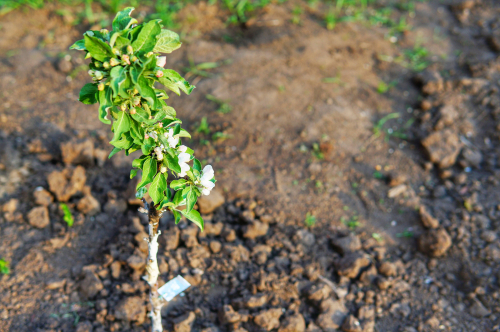
If you’ve just planted a young quince tree, you’ll need to be a bit more attentive. Young trees haven’t fully developed their “water storage” skills yet, and regular watering is crucial during those first few weeks to help the roots really settle into their new home.
Pruning and Fertilizing
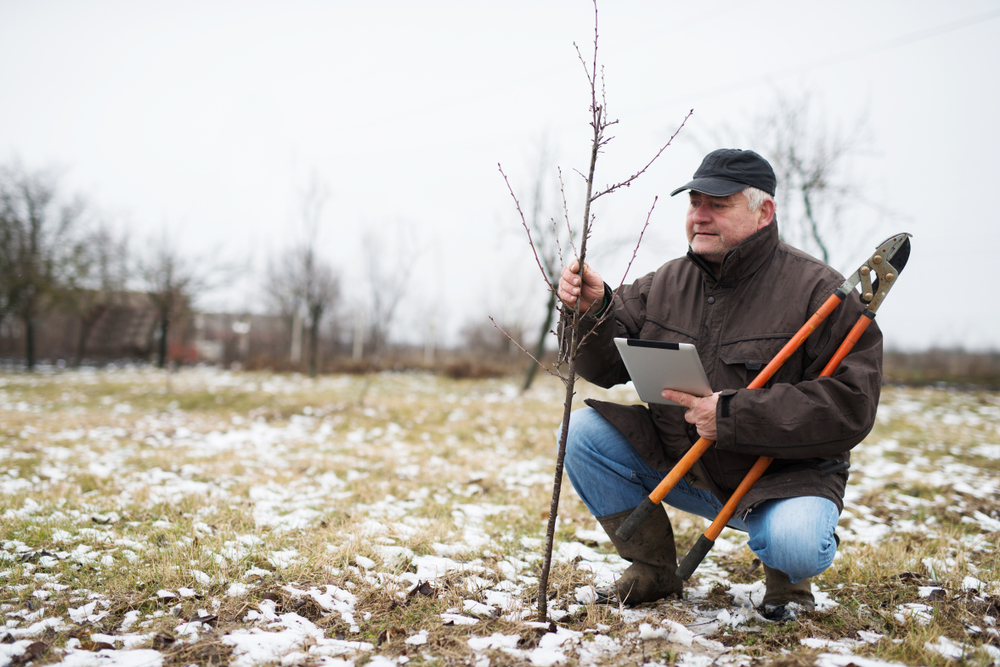
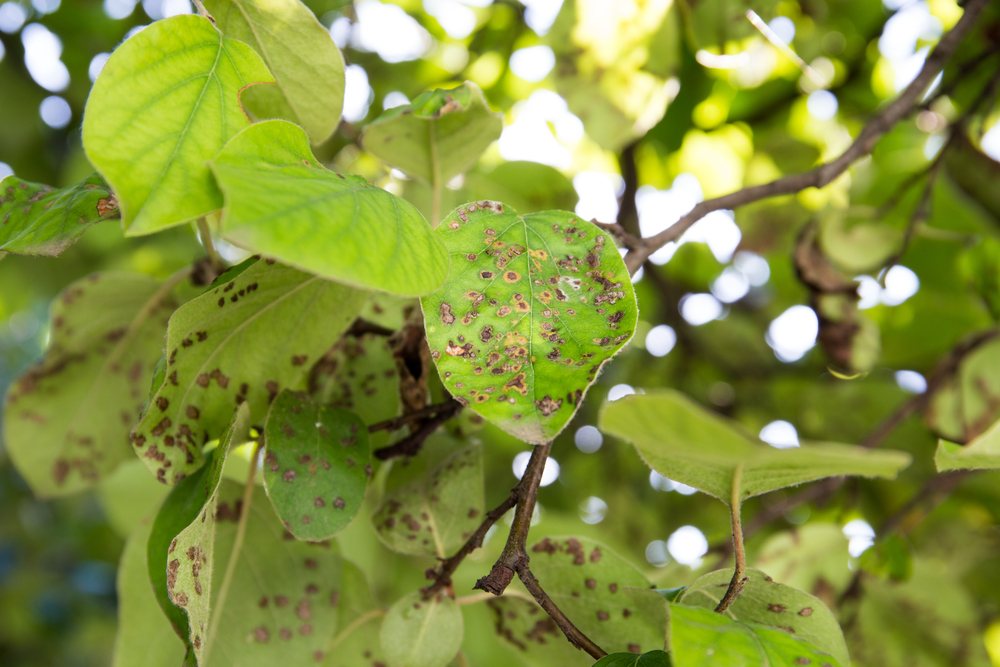
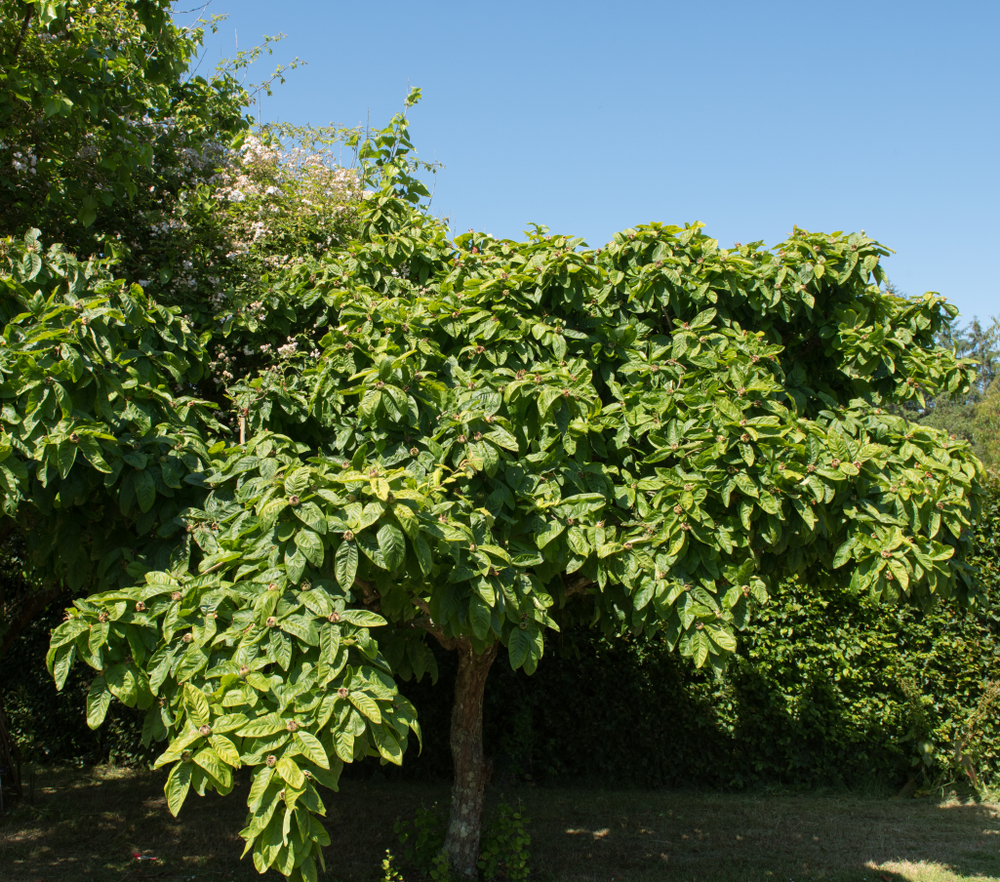
Every now and then, you’ll need to thin out the canopy. If the branches get too crowded, sunlight can’t reach the center of the tree. This is bad news for your fruit harvest and can even cause the inner leaves to dry out. Plus, keeping the air flowing with a good trim helps prevent nasty fungal diseases. Here is how to prune your quince the right way:
- Time it for late winter or early spring, just before the blossoms start to pop.
- Make sure you pick a day that is frost-free—you don’t want any freezing temps in the forecast.
- Clear out any old, brittle growth.
- Snip off any broken or damaged branches to keep the tree healthy.
As for feeding, quinces are pretty chill and usually don’t need heavy fertilizing. To keep the soil rich, you can work in a little compost every two years or so. Spring is the perfect time for this. It’s also a great idea to mix some compost into the soil right when you first plant your sapling to give it a head start.
Winter Care for Your Quince
Mature quince trees are quite hardy and can handle the winter chill on their own without any extra blankets. Young trees, however, are a bit more sensitive. Since they aren’t quite “tough” yet, it’s a good idea to wrap them in some garden fleece to protect them from extreme frost.
When you first choose a spot for your tree, try to find a place that’s shielded from those biting winter winds. Planting them near a wall, a tall fence, or behind some hardier windbreak trees will keep your quince happy and cozy all winter long.