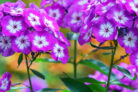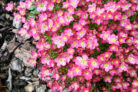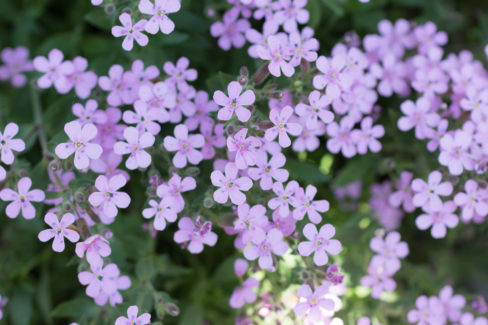
Soapwort is a charming member of the pink family (Caryophyllaceae), with about 20 different species to its name. If you’re looking for a summer bloomer that absolutely loves the sun, this is your plant! Many varieties are even hardy enough to survive chilly winters. Fun fact: it’s actually a cousin to common chickweed and corn cockle.
All About Soapwort
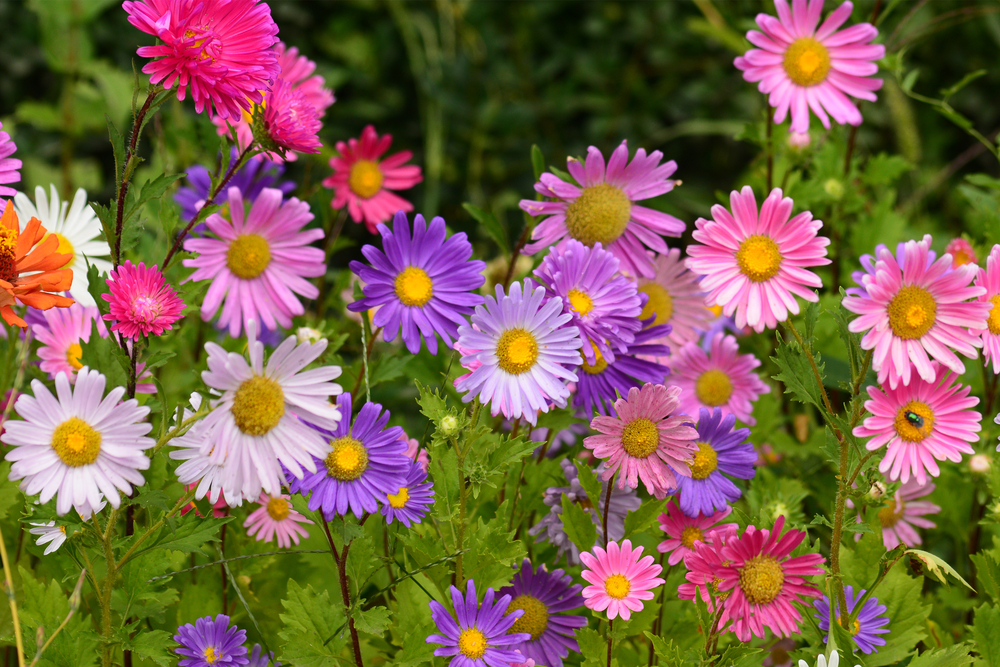
Soapwort is a vigorous grower that generally falls into two categories: those that form lush mats and those that grow in tidy clumps. Depending on the variety, you might find some that stay green all year round, while others go dormant in the winter. These plants usually stand anywhere from 4 to 24 inches tall. You’ll recognize them by their lance-shaped, mint-green leaves, which can grow up to 5 inches long. Starting in early summer and lasting through late August, soapwort puts on a show with countless pink, red, or white flowers. They have a lovely, sweet scent that reminds me a bit of cloves! Just a pro-tip: give them a good trim after they finish blooming to keep them from self-seeding all over your garden.
When it comes to location, soapwort is a sun worshiper. It thrives in bright, full-sun spots with soil that is loose and consistently moist. It doesn’t mind a bit of lime in the soil, either. If your garden has heavy, compacted clay, just mix in some sand or expanded clay to help it breathe.
Planting Tips
Spring is the absolute best time to get soapwort in the ground. This gives the plant plenty of time to establish a strong root system before the winter frost hits. Here’s how to get started:
- First, pick out a sunny spot with soil that stays lightly moist.
- Dig a hole deep enough to comfortably fit the entire root ball.
- Place your plant in the hole.
- Important: Since soapwort loves to spread via runners, I highly recommend installing a root barrier made of rot-proof material around the planting area.
- Fill the hole back in with soil.
- Press the soil down firmly and give it a good soak.
Because this plant is such a fast spreader, make sure to space your plants at least 12 inches apart. One big warning: keep soapwort away from your garden pond! The plant contains glycosides, flavonoids, and saponins. If those runners reach the water, these substances can leach out and be toxic to your fish, snails, and aquatic plants.
Growing Soapwort in Containers
If you don’t have much garden space, soapwort looks stunning in large pots on a patio or balcony. Use a humus-rich potting mix blended with a little sand for drainage. Remember that container plants dry out faster, so keep up with regular watering. To keep them happy, toss a little liquid fertilizer into your watering can every now and then, especially when they’re waking up in the spring.