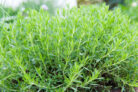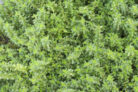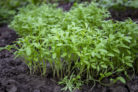
Tarragon is a total superstar in the kitchen, loved for that unique, slightly sweet flavor that defines French and Italian cooking. It’s definitely gaining a fan base here at home, too—I mean, let’s be real, what would a classic Béarnaise sauce be without it?
Growing Your Own Tarragon
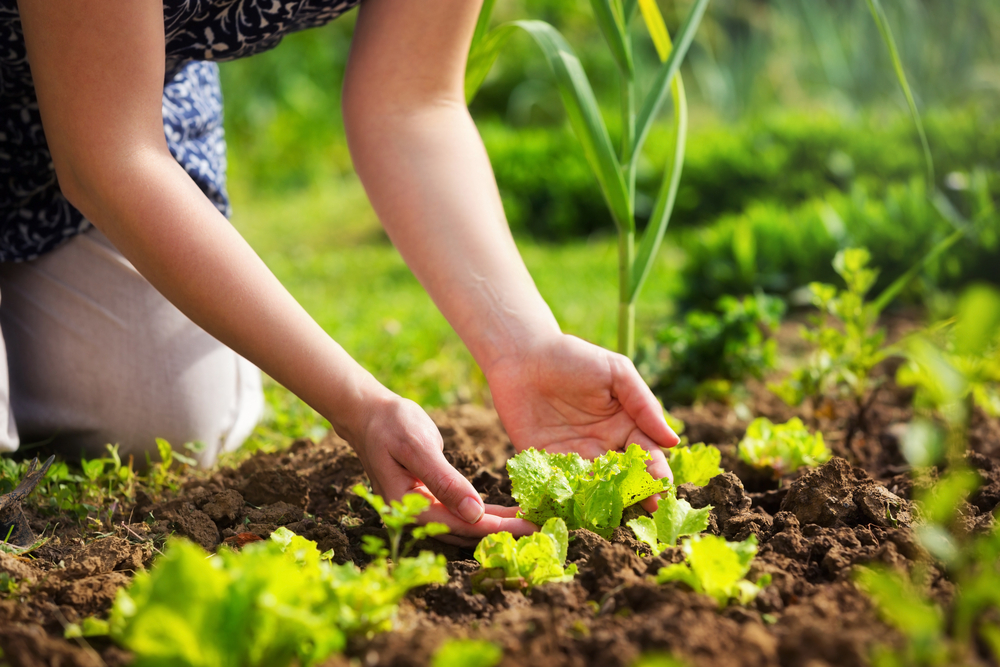
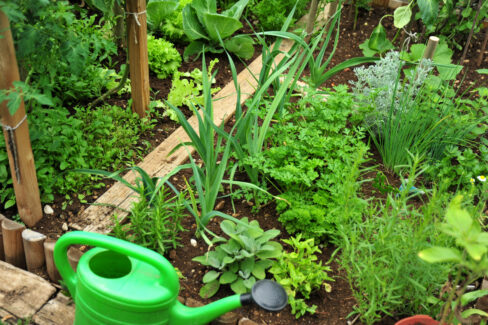
Before you get your hands dirty, you’ve got to find the perfect spot in your garden. This herb craves a sunny location that’s tucked away from harsh winds, though it’ll do just fine in partial shade if that’s what you have. To keep your tarragon happy, your soil should be:
- Well-draining
- Nice and loose
- Consistently moist (but not soggy!)
- Free of standing water (consider adding drainage if your soil is heavy)
- Light in texture (mix in some sand if it feels too dense)
- Nutrient-rich
- High in organic matter (humus)
- Slightly acidic to neutral (pH between 6 and 7)
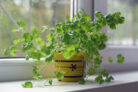
Don’t have a big garden plot? No problem! Tarragon grows beautifully in containers on a balcony or patio. It might not get quite as tall as it would in the ground, but with a little TLC, you’ll still get a fantastic harvest. You can use it fresh, dried, or even freeze it for later.
Caring for Your Plants
Tarragon is a bit of a thirsty plant; it really doesn’t like to dry out. Because it has shallow roots that can’t reach deep down for moisture, you’ll need to keep up with watering. If you’re growing it in pots, give it some liquid fertilizer every two to four weeks. For garden-grown tarragon, a good dose of organic slow-release fertilizer at the start of the growing season is usually all it needs.
Winterizing Tarragon
For the most part, tarragon is a hardy perennial, but different varieties handle the cold differently. German tarragon is a tough cookie and can survive deep freezes. French tarragon is a bit more delicate, usually holding up well down to about 10°F. Russian tarragon is the sensitive one of the bunch and definitely needs extra protection.
A cozy layer of mulch, fallen leaves, brushwood, or garden fleece should do the trick for outdoor plants. If you have tarragon in pots, it’s best to bring them inside to a cool, bright spot for the winter. If they have to stay outside, make sure to place the pot on an insulating base and wrap it well with burlap or fleece to keep the roots from freezing.