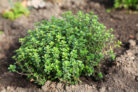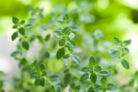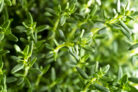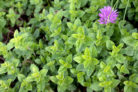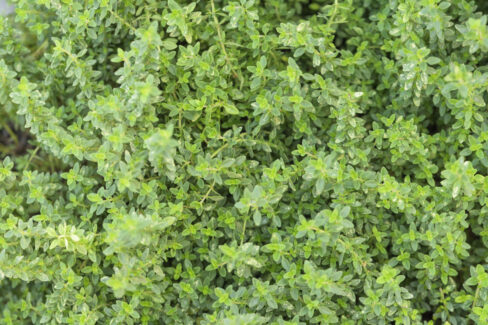
Growing thyme successfully isn’t rocket science, as long as you keep this Mediterranean herb’s favorite things in mind. To get your thyme off to a great start, you just need to focus on the right location, the perfect soil mix, and timing.
Where is the best spot to plant thyme?
As a Mediterranean native, thyme is a total sun-worshipper. You’ll want to pick a spot that is bright, warm, and gets plenty of light. It also appreciates a bit of a sheltered area to protect it from unpredictable weather. Generally speaking, thyme is a perennial and can handle our chilly winters, but you’ll want to make sure it’s winterized properly to keep it happy until spring.
What kind of soil does thyme need?
Thyme has definitely earned its reputation as a “low-maintenance” plant. In fact, too many nutrients or soggy soil can actually do more harm than good. This makes it a great choice for those tricky spots in your garden where other herbs might struggle. Here is what your soil should look like:
- Loose and airy
- Sandy
- Low in nutrients (lean soil)
- Dry
- Neutral or slightly alkaline
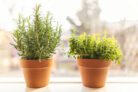
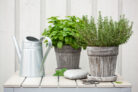
For the most part, you only need to give your thyme a light feeding of organic fertilizer now and then. It also rarely needs watering once established. Just a heads-up: if you’re growing thyme in a pot on your balcony, it’ll need a little more attention since nutrients in a container run out faster. But even then, remember that less is usually more!
When is the best time to plant thyme?
The best time to plant depends on how you’re starting your herb journey. If you’re growing from seed, start them indoors on a windowsill or in a greenhouse in March. You can move them outside once the threat of frost has passed in mid-May.
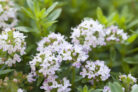
Thyme is also super easy to propagate. If you’re dividing an existing plant, do that in early spring and move the new clumps right to their new home. If you prefer cuttings, take them just before the plant blooms (usually between May and June). Once the cuttings show new growth in their starter pots, they’re ready to be transplanted. You can also try “layering” around the same time—after about three to four months, the new section will have its own roots and can be moved.
How do you actually plant thyme?
To keep your thyme healthy and growing strong, give it some breathing room. It needs at least 10 inches (25 cm) of space on all sides. Also, keep in mind that thyme doesn’t get along with everyone in the garden—for example, try to keep it away from marjoram.
Start by digging a hole about twice as large as the root ball. Mix the soil you dug out with plenty of sand or fine gravel to make sure it drains well. It’s also a good idea to loosen the soil at the bottom of the hole a bit deeper. Set your thyme in, fill the rest of the hole with your sandy soil mix, and you’re good to go!