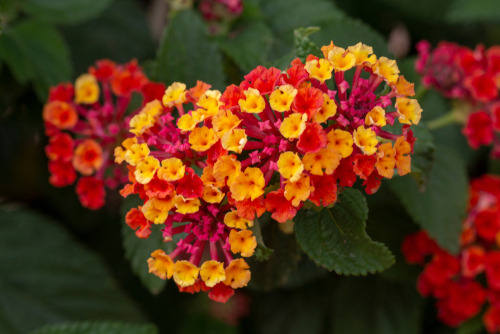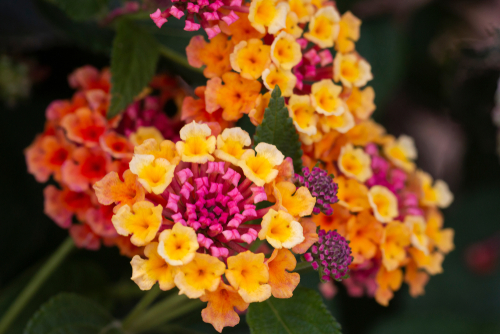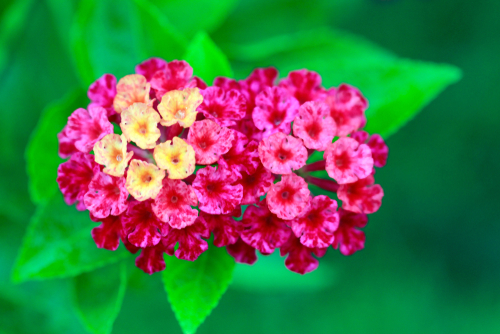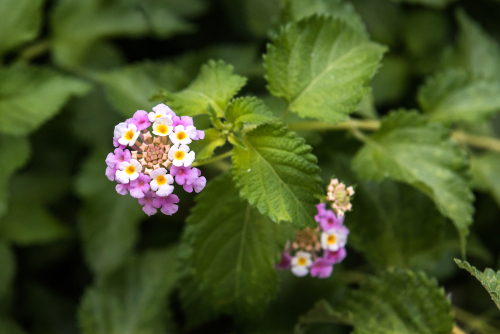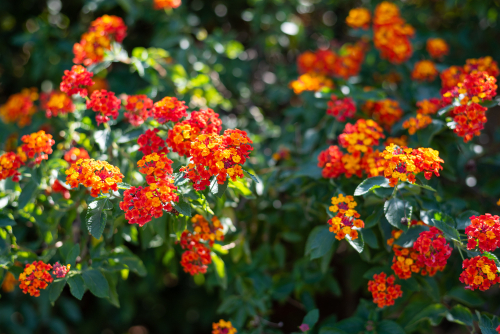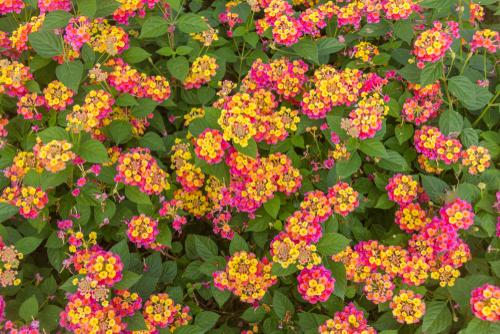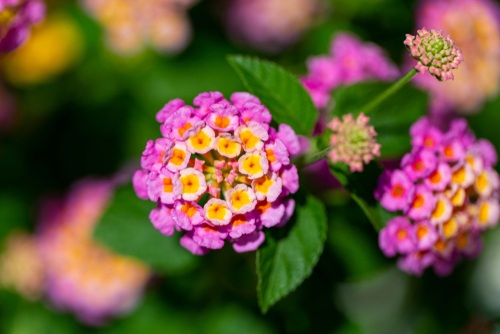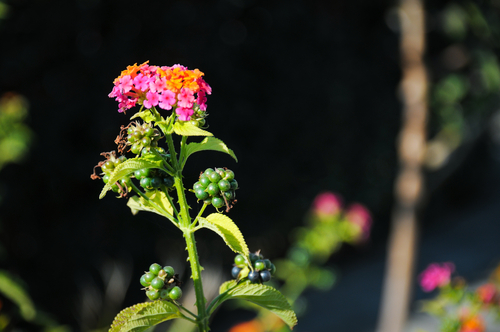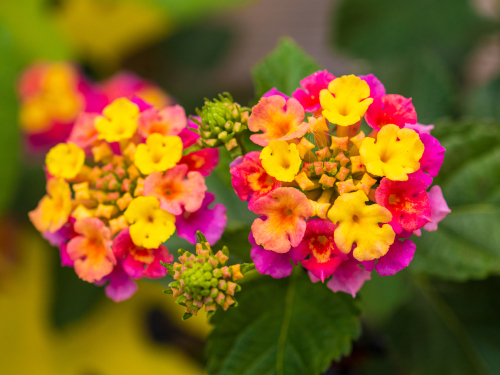
Lantana originally hails from Central America, so it’s no surprise that it struggles with the chilly weather we get here. When it comes to frost, you really have to be on your toes once fall rolls around.
Not a fan of the cold
Since Lantana isn’t winter-hardy, most gardeners in the States grow it in containers. If you’ve planted yours directly in a flower bed, you’ll need to dig it up and pot it before the cold hits. And here’s a pro tip: you don’t even have to wait for a hard freeze to see damage. Once nighttime temperatures dip below 40°F (5°C), your Lantana is going to start feeling the stress.
Setting up a winter home
Before you move your Lantana into its winter pot, give it a good pruning. Once it’s trimmed back, move the pots into a cool spot inside. Unlike many other tropical plants, Lantana isn’t too picky about light during its winter nap—a dark basement or garage works just fine. The main thing is keeping the temperature steady, ideally between 40°F and 50°F (5°C to 10°C).
Don’t panic if the leaves drop!
Those cool temperatures are key because they allow the plant to go dormant. To save up energy for a big comeback in the spring, Lantana will usually drop its leaves. If your plant looks like a bunch of bare sticks, don’t worry—it’s totally normal! You won’t need to water it nearly as much during this time, but don’t let it dry out completely. Just check the soil periodically to make sure it stays slightly moist.
Moving back outdoors
So, when can your Lantana go back to its sunny spot on the patio? You’ll want to wait until you’re absolutely sure the threat of overnight frost has passed—usually late May, depending on your local zone. When you do bring it out, don’t put it in direct sun right away. Let it acclimate in a semi-shaded spot for about two weeks to get used to the outdoor air before moving it to its final, sunny destination.
To keep your Lantana happy and healthy, just remember these three things:
- Bring it inside as soon as outdoor temps drop below 40°F.
- Keep it in a consistently cool, frost-free spot for the winter.
- Wait until the “all clear” on frost before moving it back outside in the spring.