Poinsettias are a holiday staple, but let’s be honest: they can be total divas. One day they’re looking gorgeous, and the next, they’re dropping leaves because they got a tiny bit too much water or a puff of cold air. However, if you treat them right, these festive plants can stay stunning for a long time.
How to Keep Your Poinsettia Happy
Keeping a poinsettia thriving isn’t just about finding the perfect sunny spot or using high-quality potting soil. Mastering your watering routine and staying on top of a regular fertilizing schedule are the real secrets to success. Proper nutrients ensure your plant has the energy it needs to grow and keep those iconic colors bright.
When Should You Fertilize?
Poinsettias don’t need a ton of fertilizer, but they do appreciate consistency. If you’ve just repotted your plant into fresh soil, you can skip the fertilizer for a few weeks since the new substrate is already packed with nutrients. If you’re planning on keeping your poinsettia year-round, you’ll need to start a feeding schedule once that initial boost wears off. During the main growth phase—roughly from November through July—aim to fertilize every three to four weeks. From August to October, the plant enters a rest period to gear up for winter blooming, so you should scale back or stop fertilizing entirely during this time.
Choosing the Right Fertilizer
To get the best results, you have to adjust your approach based on the plant’s life cycle:
- The growth phase
- The blooming period
- The dormant (rest) period
Each stage has different needs. While you should hold off on feeding during the dormant phase, the growth and blooming stages require different nutrients. It’s a good idea to keep a few different liquid fertilizers on hand.
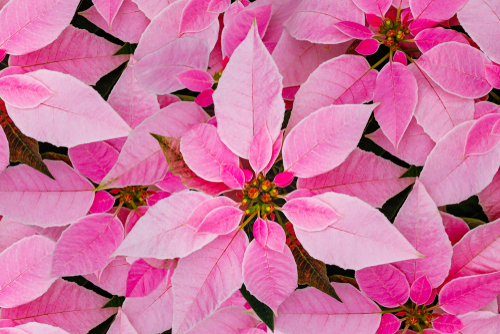
During the growth phase, use a potassium-rich fertilizer every three to four weeks. A few weeks before the blooming period begins, you’ll want to switch things up. Every two weeks, apply a phosphorus-heavy fertilizer. Phosphorus is the “magic ingredient” that encourages those vibrant red (or pink or white!) bracts to develop. The more phosphorus, the more intense the color tends to be. If you prefer a “set it and forget it” method, you can use slow-release fertilizer sticks in the spring. Just keep in mind that sticks don’t allow you to easily adjust the nutrient levels for specific blooming needs.
Getting the Dosage Right
The amount of fertilizer your plant needs changes with the seasons. While you should always check the manufacturer’s label for guidance, here’s a pro tip: it’s usually better to cut the recommended dose in half. Poinsettias are sensitive, and it’s much easier to add a little more later than it is to fix the damage caused by over-fertilizing!