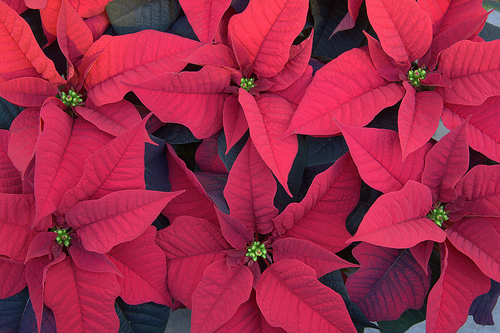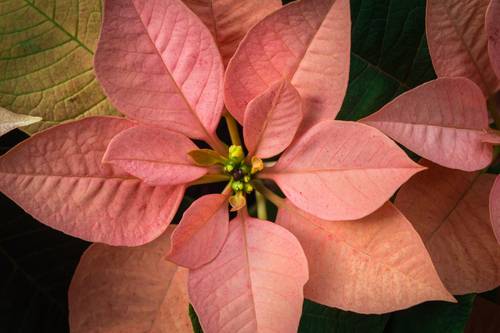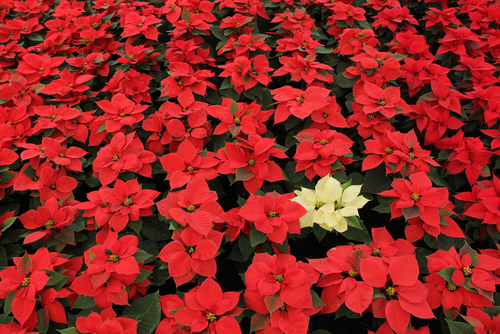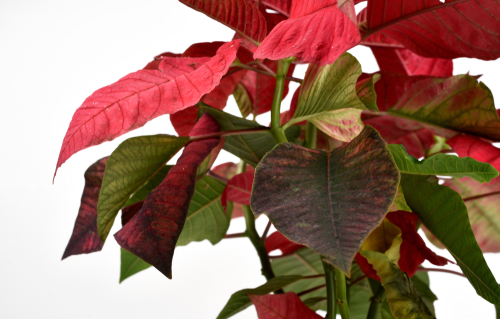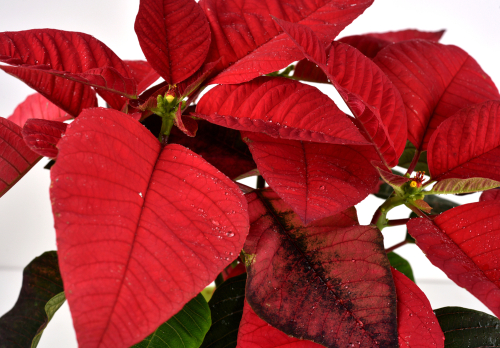
Poinsettias are the ultimate holiday plant, popping up in garden centers and grocery stores everywhere starting in late October. But we’ve all been there: you bring home a gorgeous plant, and just a few days later, those iconic red bracts start dropping and the green leaves turn yellow. What gives?
Why Your Poinsettia is Dropping Leaves
If your plant starts thinning out in February after the blooming season, don’t panic—that’s just its natural dormant phase. However, if it starts losing leaves right after you buy it, one of these common culprits is usually to blame:
- Not enough light
- Too chilly
- Direct, harsh sunlight
- Drafty spots
- Underwatering
- Root rot from overwatering (standing water)
Getting the Care Right
If your poinsettia starts dropping leaves, the first thing you should check is its location. These plants love bright spots, but they can’t handle direct, scorching sun. Aim for a steady room temperature of about 68°F (20°C). Poinsettias are total divas when it comes to the cold or drafty corners—one cold breeze and they’ll start shedding leaves faster than you can say “Happy Holidays.”
Watering Tips
Poinsettias are actually pretty low-maintenance when it comes to water. You only need to give them a drink when the top layer of soil feels dry to the touch. Room-temperature, filtered water is best. The golden rule? Never let your plant sit in a saucer full of water. “Wet feet” lead to root rot, which causes the leaves to fall and eventually kills the plant. A pro tip: add some drainage to the bottom of the pot right after you buy it to prevent water from pooling.
The Perfect Temperature
To keep those blooms looking fresh for as long as possible, try to keep the temperature between 64°F and 68°F. Keep them away from windows that you open for fresh air, as winter drafts are a death sentence. Anything below 50°F is a no-go. This is actually why grocery store plants often die so fast—they’re frequently overwatered and left sitting in cold drafts near the sliding doors all day.
Let There Be Light
Poinsettias crave light, just not direct sun. Since winter days can be pretty gloomy and short, your plant might struggle to get enough rays. If your house is a bit dark, using a daylight lamp can work wonders for keeping your poinsettia happy and vibrant.
The “Ripening Gas” Factor
Here’s a fun fact most people miss: Poinsettias produce ethylene, a ripening gas (the same stuff apples give off). In a normal environment, this gas just dissipates into the air. But in stores, these plants are often packed tightly together or wrapped in plastic sleeves, trapping the gas. Too much ethylene causes the plant to age prematurely. The same thing happens if you display your poinsettia inside a tall glass container—the gas gets trapped, and your plant will wilt way sooner than it should.