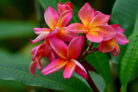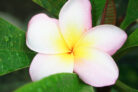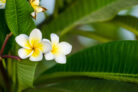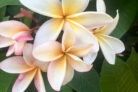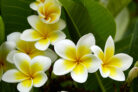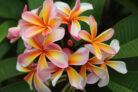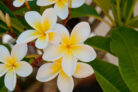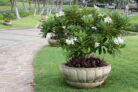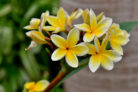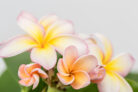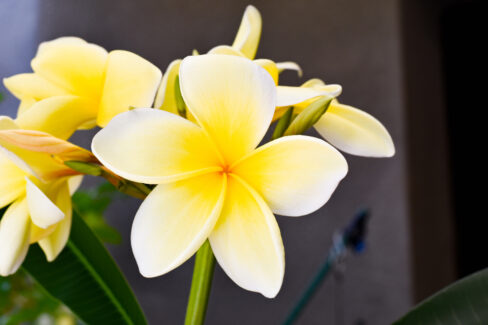
While we all grow Frangipani (also known as Plumeria) for those stunning, fragrant blooms, the leaves are the engine room of the plant. Without them, your Plumeria won’t survive for long. If you notice your plant dropping leaves unexpectedly, it’s time to pay attention and act fast.
The Root Causes
If your Frangipani is losing its leaves, it usually boils down to two things:
- A natural growth cycle
- Poor growing conditions
Is it Just Nature Doing Its Thing?
In the wild, plants drop leaves to take a break or to refresh their foliage. How your specific plant behaves depends entirely on which species you have.
If you didn’t check the variety when you bought it, take a look at the pot or the tag to see if it’s listed as “deciduous” or “evergreen.”
Plumeria rubra (Common Frangipani)
Plumeria rubra is a deciduous species. This means it’s totally normal for it to drop its leaves as the days get shorter and the sunlight fades. In fact, you actually want this to happen so the plant can enter its winter dormancy phase.
Since most Frangipanis sold in garden centers are varieties of Plumeria rubra, don’t panic if yours starts changing color and dropping leaves in late summer or fall.
Plumeria obtusa (Evergreen Frangipani)
Plumeria obtusa is an evergreen variety. While it does take a little “growth nap” during the winter, it shouldn’t drop all its leaves. Keep in mind that “evergreen” doesn’t mean the leaves last forever—the plant still needs to swap out old leaves for new ones. However, this happens gradually. If you see more leaves hitting the floor than new ones sprouting, something might be wrong.
When It’s a Sign of Trouble
If your Frangipani is losing leaves outside of its natural cycle, it’s usually a cry for help. Think of leaf discoloration or sudden dropping as your plant’s way of telling you it’s unhappy.
Troubleshooting and Solutions
There are a few different reasons why your plant might be struggling, so you’ll need to do a little detective work. Common culprits include:
- Improper watering (either too much or too little)
- Feeding issues (too much or too little fertilizer)
- Not enough light during the growing season
- Diseases
- Pests
Once you’ve pinpointed the issue, adjust your care routine immediately. If you’re dealing with a disease or a pest infestation, you’ll want to start treatment right away to get your Plumeria back on track.