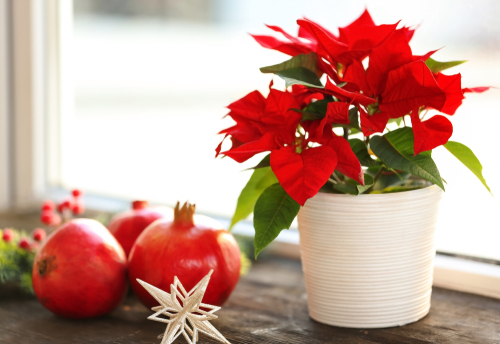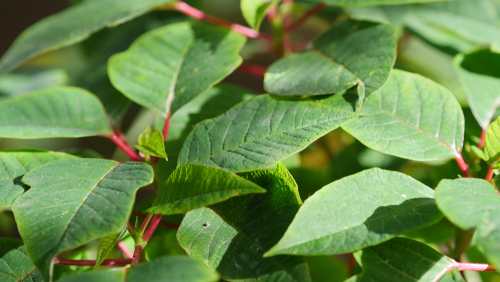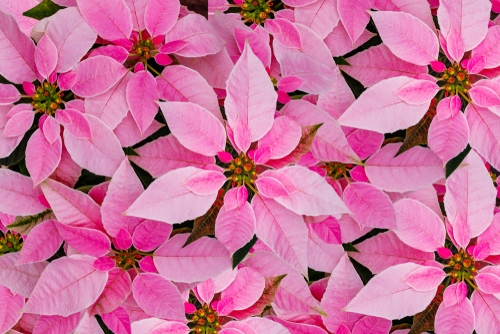
Poinsettias are the undisputed stars of the holiday season, but did you know you don’t have to buy new ones every year? If you’ve got a little patience and a healthy, vibrant parent plant, you can actually grow your own.
Propagating from Cuttings
The most common way to get more “Christmas Stars” is by taking cuttings. When you prune your plant back in the spring, you’ll end up with several 6- to 8-inch shoots. Instead of tossing them in the compost, why not try to grow some new plants? Here’s my step-by-step guide to getting it right:
- Take your cuttings in the spring, right after the blooming period has ended.
- Always use a clean, sterilized knife. This is super important to prevent infections!
- Make your cut just below a leaf node (that little bump where a leaf meets the stem).
- Pro tip: Take more cuttings than you think you’ll need. Not every single one will take root, and it’s better to have extras!
- As soon as you cut them, dip the ends in hot water. Poinsettias bleed a milky sap that can seal the wound shut; if that happens, the cutting won’t be able to take up water and will dry out.
- For an extra boost, you can dust the ends with a little rooting hormone.
- Strip off the lower leaves so you have a clean stem.
- Plant the shoot about an inch deep into some high-quality seed-starting mix.
- Give them a good drink, then place the pot in a mini-greenhouse or just pop a clear plastic bag over the top. You’re trying to create a tropical, humid vibe so the cuttings can pull moisture from the air.
- Watch out for soggy soil—you want it moist, not soaking wet.
- Don’t forget to lift the plastic for a bit every day to let some fresh air in and prevent mold.
Ongoing Care
Your new baby poinsettias need a bright, warm spot to call home. Aim for a steady temperature between 68°F and 77°F. Keep them out of direct, scorching sunlight, or they’ll crispy up before they even get started. Regular watering is key, but “wet feet” are a big no-no. Poinsettias are pretty dramatic about overwatering—too much moisture leads to root rot, and for a fresh cutting, it means game over before roots even form.
Once you see new green growth popping out, you’ll know they’ve successfully rooted! After they’ve developed two pairs of leaves, you can move them into their own larger pots. Be gentle when transplanting so you don’t bruise those delicate new roots. Keep them in a bright, warm area where the temperature stays above 65°F.
Air Layering Poinsettias
If you’re feeling a bit more adventurous, you can try air layering. This is a cool technique where you encourage roots to grow on a branch while it’s still attached to the main plant. One popular way is the “wedge method.” You carefully cut a small notch or wedge into a strong stem, then tuck a bit of moss or even a small cutting into the gap. Wrap the whole section in something absorbent like sphagnum moss or hay, and keep it nice and damp for a few weeks. Once you see roots poking through, you can snip the whole branch off and pot it up!