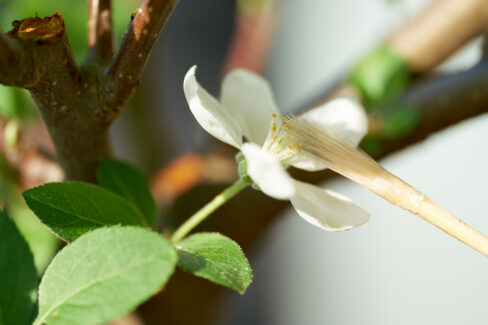
Since apple trees aren’t self-pollinators, they need a little help from their friends—specifically, pollen from a different apple variety. Without this cross-pollination, your tree simply won’t produce fruit. Let’s dive into what that means for your backyard orchard and how you can ensure a great harvest.
Self-Pollinators vs. Cross-Pollinators
Before a fruit tree can give you a harvest, fertilization has to happen. This starts with pollination, which is just a fancy way of saying pollen needs to travel to the female part of the flower. In the gardening world, we group trees into two categories: self-pollinators and cross-pollinators. Self-pollinating trees are “loners” that can get the job done with their own pollen. Cross-pollinators, however, need pollen from a different variety of the same species to set fruit.
Why Your Apple Tree Needs a Buddy
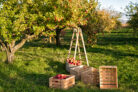
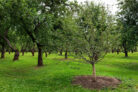
Because apple trees are cross-pollinators, having a successful harvest depends on whether there are other apple trees nearby—either in your own yard or the neighbor’s. If your garden is a bit isolated, you’ll need to make sure you plant a compatible “pollen donor” nearby. Not every apple tree gets along with every other variety, so it’s super important to check which trees are the best pollination partners before you head to the nursery.
What to Do if You’re Missing a Partner
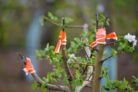
If you realize you’re missing a pollination partner right in the middle of blooming season, don’t panic! You can try a quick “bouquet” fix: cut some flowering branches from a compatible donor tree and hang them in a bucket of water right in the canopy of your tree.
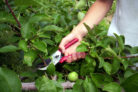
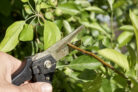
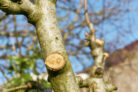
For a more permanent solution without planting a whole new tree, you can actually graft a second variety directly onto your existing tree. The most common method for this is cleft grafting using a scion (a small twig) from a compatible variety. Just make sure the new variety blooms at the same time as your original tree, or they’ll never have the chance to swap pollen!
Honeybees: Your Hardest-Working Garden Helpers
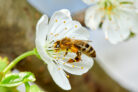
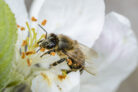
Honeybees are the real MVPs when it comes to apple pollination, especially in large orchards. In fact, studies show that about 85% of fruit orchards in Europe (and similarly high numbers in the US!) rely on honeybees to get the job done. However, since local beekeepers aren’t as common as they used to be, it’s a great idea to welcome other insects to your garden. Wild bees and bumblebees are fantastic helpers, too. You can attract these tiny workers by putting up nesting boxes (like bee hotels) and planting plenty of native wildflowers to keep them coming back.