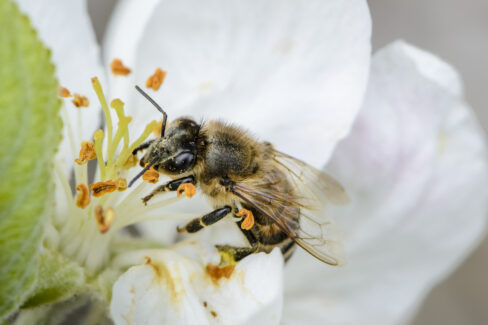
Pollination is the single most important step in turning those beautiful apple blossoms into actual fruit. Today, I want to chat about why bees are such VIPs in your orchard and what you can do to give your trees a helping hand during the fertilization process.
Cross-Pollination: It Takes Two to Tango
If your apple tree is covered in blossoms but never seems to produce any fruit, you might be missing a “pollination partner” nearby. Apple trees are cross-pollinators, which is just a fancy way of saying they need pollen from a different apple variety to get the job done. The good news? That partner tree doesn’t have to be in your yard; a neighbor’s tree often works just fine. However, since modern backyards are getting smaller, fitting two big trees can be a squeeze. If you’re short on space, look for “multi-variety” trees at your local nursery.
Multi-Variety Trees: Two Flavors, One Trunk
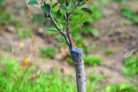
A multi-variety tree is a clever solution where a second (or even third) variety has been grafted onto the main rootstock. Some nurseries sell these so you can harvest apples throughout the entire season from a single spot. For this to work for pollination, though, both varieties need to bloom at the same time. Planting a fruit tree involves a bit of strategy, so I definitely recommend chatting with a pro at the garden center to pick the perfect pair for a bumper crop.
Try Your Hand at Grafting
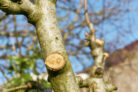
If you’re feeling adventurous, you can actually graft a second variety onto your existing tree yourself! The best method for this is usually cleft grafting using a scion (a small branch) from a compatible tree.
A Quick Fix for Pollination
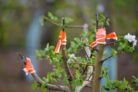
Need a shortcut while you wait for a second tree to grow? Here’s a pro tip: take a few flowering branches from a compatible donor tree, stick them in a bucket of water, and hang that bucket right in the canopy of your tree. It’s not a permanent fix, but it works wonders as a stopgap until you can get a permanent pollinator planted in your garden.
Rolling Out the Red Carpet for Bees
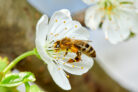
Bees are the ultimate garden MVPs because they are “flower constant.” This means once a bee starts collecting nectar from a specific type of plant, she’ll keep visiting that same species until she heads back to the hive. She’ll even perform a little dance to tell her friends exactly where the good stuff is! Beyond just your apple trees, bees handle the heavy lifting for vegetables and nuts, too.
How to Attract Beneficial Insects
Don’t forget about our other buzzing buddies like bumblebees and wild bees—they play a huge role in pollination, too. You can boost your harvest by turning your backyard into a sanctuary. Try adding nesting sites and diverse food sources to keep them happy. Setting up an “insect hotel” is a fun and effective way to make sure your local pollinators decide to stick around!