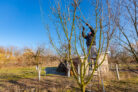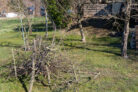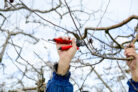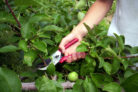
Properly pruning your fruit trees is a total game-changer when it comes to harvest yields and overall tree health. By getting strategic with your shears, you can achieve some pretty amazing results. While summer pruning should be a bit more “light-touch” than your winter sessions, there are a few key things to keep in mind. Here’s the lowdown on how to do it right.
Timing is Everything
Traditionally, the heavy lifting of pruning happens during the winter dormancy period. However, a summer trim is often necessary to clear out excess or overcrowded shoots that are just draining the tree’s energy. The sweet spot for summer pruning is between July and August. You’ll want to make sure you’re all wrapped up by mid-September at the latest.
Dealing with Water Sprouts
If you gave your tree a heavy winter prune, it might have reacted by sending up a bunch of “water sprouts”—those vertical, fast-growing shoots at the top of the canopy. You can prune these away in the summer without a second thought (unless, of course, you’re saving them for grafting). Removing these sprouts encourages the tree to focus on bud and shoot development for next spring, which ultimately boosts your fruit production.
More Reasons to Prune in Summer
Summer is also the perfect time to fix any mistakes you might have made during the winter cut. If you spot any diseased or dead wood, get it out of there immediately. Plus, summer is a great time to spread or tie down main branches into a more horizontal position. This opens up the canopy to more sunlight and better airflow. An added bonus? Pruning now actually lowers the risk of fungal infections.
The Right Tools for the Job
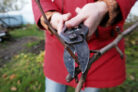
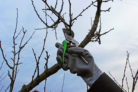
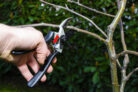
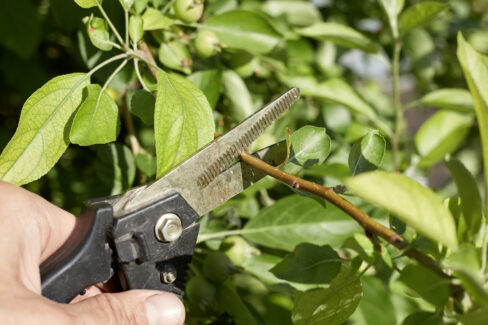
To get a clean cut, you need the right gear. Make sure you have a sharp pair of pruning shears (secateurs), a dedicated pruning saw, and a handsaw. If you’re dealing with a taller tree, a telescopic pole pruner will be your best friend.
How to Clean Your Pruning Saw
- Use a stiff brush or a large paintbrush to clear out any sawdust stuck between the teeth after you’re done. If you leave wood residue there, it hardens and dulls the blade.
- Grab some steel wool to scrub away dried sap and stubborn dirt.
- Before putting your saw away, give it some love with some lubricating oil. Rub the blade down thoroughly with a cloth to protect it from rust.