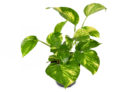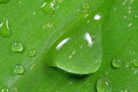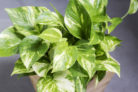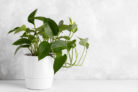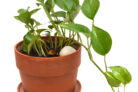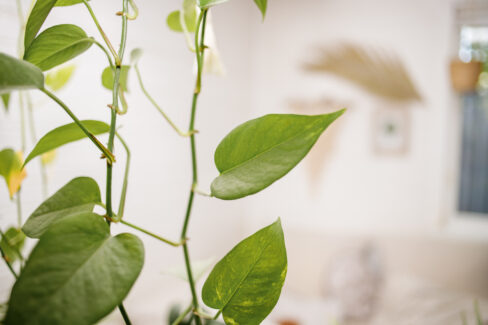
The Pothos (botanical name *Epipremnum aureum*) is pretty much the MVP of low-maintenance houseplants. But every once in a while, you might notice your Pothos looking a little “sad”—literally. If you see little droplets of water forming on the tips of the leaves, it looks like the plant is crying. While this isn’t an immediate emergency for the plant, it is a sign that you need to make a few adjustments.
Guttation
When you see those water droplets hanging off the edges or tips of your leaves, botanists call that “guttation.” Basically, your Pothos is trying to keep its mineral intake moving from the roots to the leaves, but it’s already completely saturated with water. Think of it as the plant “sweating out” excess water that it simply has no room left to store.
The Causes
Most of the time, a “crying” Pothos is a sign that you’ve been a little too heavy-handed with the watering can. However, it’s not always just about the soil. Sometimes—especially if you’ve been away on vacation—it’s a combination of:
- Very soggy potting soil
- High humidity at the plant’s location
The Consequences
Is it bad for the plant?
If you only see these droplets every now and then, don’t panic—it won’t kill your Pothos. However, it is a major red flag that the soil is too wet. If the soil stays soggy for too long, you’re looking at the risk of root rot, which is the number one killer of these beautiful houseplants. Pothos absolutely hate having “wet feet,” and if the roots rot, the whole plant can go downhill fast.
Safety warning for humans and pets
While the droplets aren’t necessarily a danger to the plant itself, they can be toxic to us and our furry friends. Those “water” drops actually contain some of the same sap and toxins found inside the plant. Make sure kids don’t touch them, and keep a close eye on curious cats or dogs so they don’t try to lick the leaves.
What to do about it
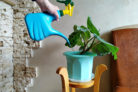
To help your plant get its internal plumbing back in balance, the first step is to put the watering can away! Let the soil dry out completely to stop any potential root rot in its tracks. Moving forward, try to water your Pothos:
- On a consistent schedule
- In moderate amounts
- Only once the top inch or two of soil feels dry to the touch
Alternatively, you can try “bottom watering.” Just set the pot in a tray of water and let it soak up what it needs; once it stops absorbing liquid, it’s had its fill. No matter which method you use, always dump out any excess water sitting in the saucer so your Pothos isn’t stuck sitting in a puddle!