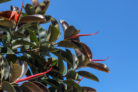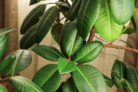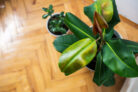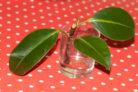
The Rubber Tree (botanical name *Ficus elastica*) is one of those classic, hardy houseplants that we all love. It’s pretty forgiving if you miss a chore here or there, but if there’s one thing you need to get right, it’s watering. These guys absolutely hate having “wet feet,” so let’s talk about how to keep yours happy.
Watering Needs
When it comes to Rubber Trees, think “less is more.” They actually prefer being a bit on the dry side rather than sitting in soggy soil. While they can handle a short dry spell just fine, constant moisture is a dealbreaker. In fact, waterlogged soil is the quickest way to kill a *Ficus elastica*.
Watering vs. Dunking
You’ve basically got two ways to give your plant a drink:
- The standard watering can method
- The “dunking” (or bottom-soaking) method
Whichever way you choose, make sure your pot has a drainage hole and a saucer underneath. This lets the extra water escape so you can toss it out.
Standard Watering
Not sure if it’s time to water? Use the “thumb test.” Only reach for the watering can when the top layer of the soil feels nice and dry. This is the best way to make sure you aren’t accidentally drowning your plant.
The amount of water you’ll need depends on how big your houseplant is. A good rule of thumb is to stop watering once you see it starting to trickle into the saucer. Let it sit for about 20 minutes, then dump out any leftover water from the saucer.
During the winter, your Rubber Tree won’t be as thirsty, so you can scale back—just don’t let the root ball dry out completely.
The Dunking Method
Dunking is a great way to give your plant a deep soak that lasts a bit longer than a quick sprinkle. This works best for smaller plants since you have to lift them. Just make sure the soil has dried out completely before you do this. Here’s the play-by-play:
- Fill a large bucket or basin with water.
- Submerge the plant (pot and all) into the water.
- Leave it there until you stop seeing air bubbles rising to the surface.
- Lift the plant out and let the excess water drain away.
- Place it back on its saucer.
- Check back in 20 minutes and pour out any extra water that collected.
This “dunking” trick is also a lifesaver if you’ve been away on vacation and your plant is looking a little parched.
The Danger of Waterlogging
I can’t stress this enough: standing water is the #1 enemy of the *Ficus elastica*. It usually happens from over-watering with a can. If you use the dunking method and really let the soil dry out in between, you’re much less likely to run into this problem.