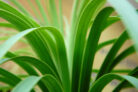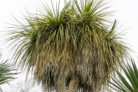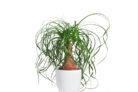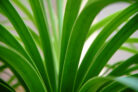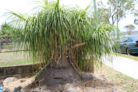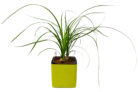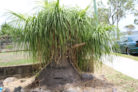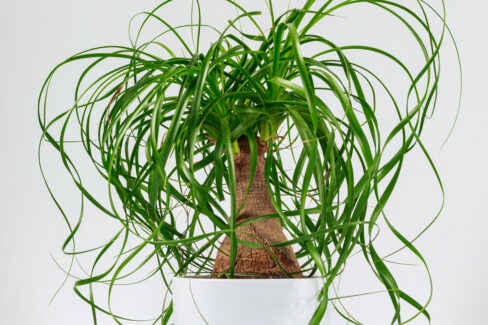
The Ponytail Palm is a real showstopper with its long, flowing evergreen leaves. But if those leaves start turning yellow, it’s more than just an eyesore—it’s usually a cry for help.
Yellow Leaves are a Warning Sign
When your Ponytail Palm starts sporting yellow foliage, it’s basically plant language for “I need a hand!” You shouldn’t wait too long to play detective and find the root of the problem. Here are the most common culprits:
- Nutrient deficiency
- Not enough light
- Dust buildup
- Mold or root rot
There is one exception, though! If you only see a few yellow leaves at the very bottom of the tuft while plenty of new green ones are growing at the top, don’t panic. That’s just the plant’s natural way of renewing itself.
Nutrient Deficiency
Ponytail Palms are pretty low-maintenance when it comes to “food.” However, if they go too long without any nutrients, the leaves will eventually lose their luster and turn yellow. To keep yours happy, try fertilizing it about once a month during the growing season.
Lack of Light
The perfect spot for a Ponytail Palm is somewhere bright and sunny, though they prefer to stay out of harsh, direct midday sun. If it’s stuck in a dark corner, the leaves will grow pale, turn yellow, and eventually drop off. Before that happens, move your plant to a sunnier neighborhood in your home.
Dust Buildup
It’s inevitable—those long, thin leaves are going to collect dust over time. The problem is that a thick layer of dust actually prevents the plant from “breathing” and absorbing moisture from the air.
Since wiping down every single leaf is a total headache, just give your plant a literal shower! You can rinse it off in the tub, or on a warm rainy day in the summer, set it outside for a natural bath. Aim for a cleaning every four weeks to keep the leaves clear.
Mold and Rot
If the young leaves at the very center of the tuft are turning soft and yellow, you’re likely looking at rot or mold. You might also notice a white or grayish fuzzy coating on top of the soil. If this happens, you need to act fast:
- Gently lift the plant out of its pot.
- Carefully remove all the old soil from the roots.
- Rinse the roots gently with lukewarm water.
- Use clean shears to trim away any mushy or rotten roots.
- Repot your Ponytail Palm in fresh soil using a clean pot and saucer.
- Pro tip: If you reuse the old pot, scrub it thoroughly with hot water first.
- Hold off on watering entirely for a few weeks.
- Moving forward, water much more sparingly to keep that mold from coming back.