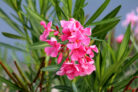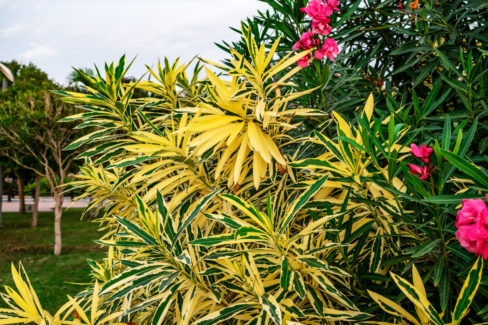
Oleander leaves are famous for being lush, green, and glossy. But every now and then, you might notice those leaves starting to turn yellow. Don’t panic! We’re going to walk through the most common causes and show you exactly how to get your plant back on track.
Natural Aging
Even though oleanders are evergreens—meaning they keep their foliage through the fall and winter—they aren’t immortal. Just like any other plant, old leaves eventually go through a natural aging process. They’ll turn yellow and drop off, making room for fresh, green growth. However, if you’re seeing a lot of yellowing all at once, there might be something else going on.
Common Culprits for Yellow Oleander Leaves
Aside from old age, there are a few usual suspects when it comes to yellowing leaves. Most of the time, it boils down to:
- The wrong location
- Nutrient deficiency
- Not enough water
- Improper winter care
Location, Location, Location
Oleanders are happiest in warm, sunny spots. One thing they really hate is being whipped around by the wind, so make sure they have a bit of a windbreak. If your oleander is stuck in a drafty area, it’ll often protest by turning yellow. Also, try to avoid moving your plant around too abruptly; they’re homebodies and get stressed out by sudden changes in scenery.
Nutrient Deficiency
If your plant is looking a little pale, it might just be hungry. Oleanders are “heavy feeders,” meaning they have a big appetite for nutrients. You’ll need to keep them fed with a good fertilizer. Yellow leaves are usually a cry for more nitrogen or potassium. Just remember: while regular feeding is great, don’t go overboard. Over-fertilizing can actually do more harm than good!
Thirsty Plants
Just like they love food, oleanders are incredibly thirsty. If they don’t get enough H2O, those leaves will start yellowing fast. Make sure you’re watering your oleander deeply and regularly—and yes, that includes watering during the winter too!
Winter Woes
Speaking of winter, how you overwinter your plant makes a huge difference. Your oleander needs a spot that is bright and cool, but strictly frost-free. A heated living room is actually way too warm for them. Make sure they’re getting plenty of light during the off-season, because a dark corner in the winter is a one-way ticket to yellow leaves.