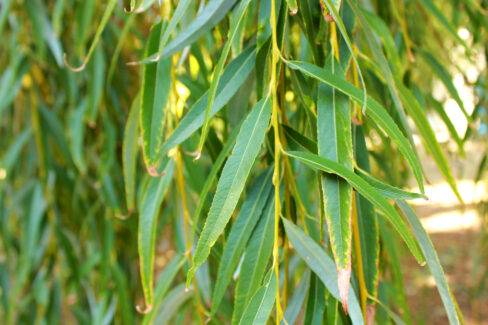
You don’t need a massive backyard to enjoy the charm of a willow tree! Believe it or not, some varieties are perfectly happy living in containers. If you’re looking to add some height to your patio or balcony, here’s the lowdown on which types work best and how to keep them thriving in a pot.
Stick with Dwarf Varieties
When you’re picking out a willow for a container, you definitely want to steer clear of Weeping Willows or other giants. Unless you’re planning on diving into the high-maintenance world of bonsai planting, those big guys just won’t fit.
The secret is to choose dwarf varieties. These specialized cultivars naturally top out at around five feet (1.5 meters), making them the perfect size for a terrace or balcony.
Here are my top picks for container willows:
- Weeping Pussy Willow (Salix caprea ‘Pendula’)
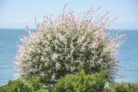
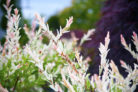
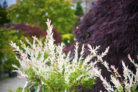
- Dappled Willow (also known as ‘Hakuro Nishiki’ or Harlequin Willow)
The Best Soil and Fertilizer for Success
Since your willow is living in a pot, the substrate you choose has to do a lot of heavy lifting. You need a high-quality potting mix that retains moisture but still drains well. Willows love water, but they hate “wet feet”—standing water at the bottom of the pot can lead to root rot. Look for a premium potting soil specifically formulated for container gardening.
Because the roots can’t reach out into the ground to find food, you’ll need to be the “chef” for your willow’s leaves and branches. Nutrients in a pot get used up pretty quickly, so regular fertilizing is a must. I recommend using a slow-release fertilizer. Pro tip: Add a little bark mulch to the top of the pot; it helps hold onto moisture and releases nutrients gradually over time.
Maintenance and Winter Care
As your willow grows, keep an eye on the roots. If it starts getting root-bound, it’s time to upgrade to a larger pot. To keep it looking tidy, give it a good prune in the spring right after it finishes blooming.
One last thing: container willows need a little extra TLC in the winter. Unlike trees in the ground, the soil in a pot can freeze solid much faster. Make sure to provide some winter protection—like wrapping the pot in burlap or moving it to a sheltered spot—to keep those roots safe from the deep freeze.