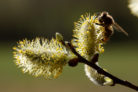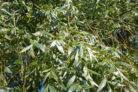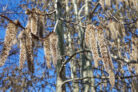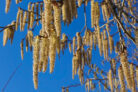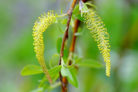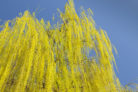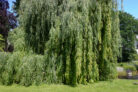
Almost every part of the willow tree can be put to good use. While most people think of the branches first, the leaves are actually little powerhouses of their own! In this post, we’re going to dive into what makes willow leaves so special, how to identify them, and the many ways you can use them around your home and garden.
What Makes Willow Leaves So Unique?
We all know willow branches are perfect for weaving rustic baskets or adding a touch of flair to Easter bouquets. But willow leaves deserve some time in the spotlight, too! They’ve been used in medicine for ages, but for most of us backyard gardeners, they’re simply a beautiful sign of a thriving tree. Lush, vibrant leaves are the best way to tell your willow is happy, healthy, and getting all the nutrients it needs.
Here are the typical traits to look for:
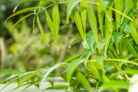
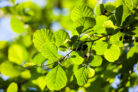
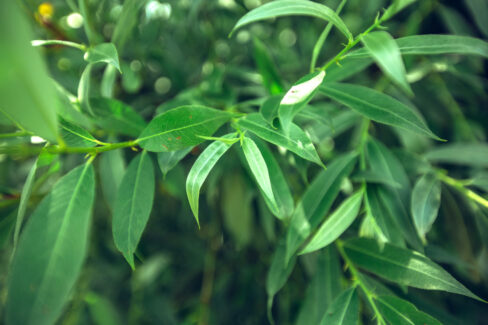
- Color: Usually a bright, light green, though this varies by variety.
- Texture: Matte on top, often with a fine, fuzzy underside.
- Shape: Long, narrow, and pointed (what botanists call “lanceolate”).
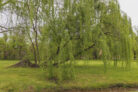
Keep in mind that the exact size and shape depend on which species you have. The White Willow (*Salix alba*), for example, is a real showstopper. It has tiny white hairs that give the foliage a gorgeous silvery shimmer—hence the name! It’s especially stunning when a breeze catches the leaves and makes the whole tree look like it’s glowing.
Dealing with the Autumn Leaf Drop
Just a heads-up: willows aren’t evergreens. They’ll drop their leaves every autumn, and because these trees can grow quite large, that’s a lot of raking! It’s definitely something to consider before you plant a willow or start propagating new ones in your yard. Remember, if your tree overhangs a public sidewalk or street, you’ll need to keep those paths clear of slippery fallen leaves.
However, if the leaves fall directly in your garden beds, you’re in luck. Willow leaves make fantastic natural mulch and fertilizer. As they break down, they return vital nutrients to the soil that help the tree continue to grow. If they aren’t in the way, feel free to just let them lie!
The Medicinal Side of Willow Leaves
Did you know willow leaves are packed with salicin? This is the natural compound that served as the blueprint for modern aspirin. It’s famous for its ability to help break a fever and soothe aches and pains. The leaves are considered non-toxic, and you can even chew on a fresh leaf if you’re feeling adventurous.
Just a fair warning: they are incredibly bitter! If you want to try them, stick to the younger, tender leaves, which are much milder. Some folks even toss a few of these young greens into salads for a healthy, slightly zesty kick.