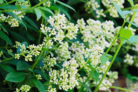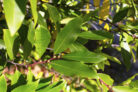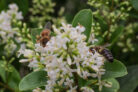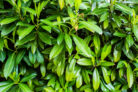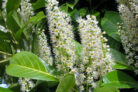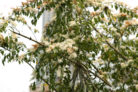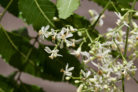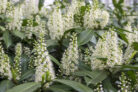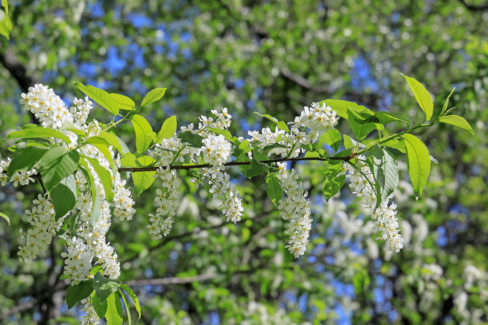
Native privet and non-native cherry laurel are often compared, and honestly, they get mixed up all the time! If you’re trying to decide which one belongs in your yard, I’ve put together a guide on the key differences and characteristics of each shrub.
Key Differences at a Glance
When you’re weighing privet against cherry laurel, these are the main factors to keep in mind:
- Sun and soil requirements
- Pruning schedule
- Growth rate
- Toxicity of the berries
- Leaf drop (Evergreen vs. Deciduous)
- Winter hardiness
- Ecological benefits
Location and Maintenance
Privet really loves a sunny spot to look its best, while cherry laurel is a bit more versatile and can thrive even in the shade. When it comes to maintenance, privet is definitely the higher-maintenance sibling. You’ll want to prune and thin it out up to three times a year to keep it tidy. Cherry laurel, on the other hand, is much more “set it and forget it” and requires far less trimming.
One more thing: cherry laurel handles damp soil a little better than privet does, though neither of them likes “wet feet” (standing water), so make sure your drainage is good!
Growth Rate
If you need privacy fast, privet is your best friend—it’s a remarkably fast grower. Cherry laurel takes its time and grows much more slowly.
Toxicity of the Berries
Both shrubs produce small, round berries after they bloom. A word of caution here: the berries on both plants are toxic and definitely not for snacking. However, cherry laurel berries are considered more poisonous than those of the privet, so keep an eye on pets and kiddos!
Leaf Drop
This is a big one for year-round privacy. Cherry laurel is a true evergreen, meaning it stays lush and green all through the winter. Privet, however, is generally deciduous (or semi-evergreen depending on your climate), meaning it will drop its leaves once the cold weather hits.
Winter Hardiness
Most privet varieties are completely winter hardy and can handle freezing temperatures without any extra help. Cherry laurel is a bit more sensitive. Since it’s not native to colder climates, it’s only “moderately” hardy and might struggle during a particularly brutal frost.
Ecological Benefits
This is where the two really drift apart. Since privet is a native species, it’s a rockstar for local wildlife. Its flowers and berries provide essential food for birds and pollinators. Cherry laurel, being non-native, doesn’t offer much to our local ecosystem. In fact, some conservation groups even call it a “plastic plant” because it provides almost zero ecological value to native insects and birds.