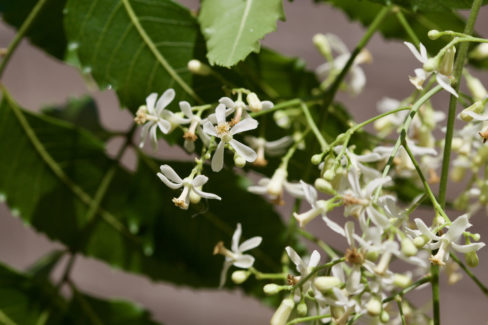
If you notice your privet hedge dropping its leaves in the fall or winter, don’t panic—it’s actually totally normal! Privet isn’t a true evergreen, so it naturally sheds its foliage before bouncing back with fresh growth in the spring. However, if your hedge starts looking bare in the middle of summer, that’s a different story.
The Natural Cycle: Leaf Loss in Fall and Winter
Since privet is deciduous (or semi-evergreen depending on your variety), losing leaves in the autumn and winter is just part of its life cycle. It can look a bit dramatic and sparse, but there’s no need to worry. Once spring rolls around, your privet will wake up and start pushing out brand-new green shoots and leaves.
Summer Leaf Drop: When to Be Concerned
If your privet starts losing a massive amount of leaves during the warm summer months, it’s time to do a little detective work. There are usually a few usual suspects behind summer leaf drop:
- The soil is either bone-dry or waterlogged.
- You’re over-fertilizing (or not fertilizing enough).
- Pests have moved in.
- A fungal infection has taken hold.
Common Culprits: It’s Usually About Maintenance
Most of the time, summer leaf loss comes down to “care errors.” Beyond picking the right spot to plant it, you need to keep an eye on the soil. Privet is a bit like Goldilocks—it doesn’t want to be parched, but it hates “wet feet,” so avoid standing water at all costs. Also, be careful with your fertilizer routine. Over-fertilizing is often more dangerous than under-fertilizing and can be fatal to the plant.
Pests and Fungus
Less often, pests or fungal diseases are the reason for a sudden bare hedge. The good news? A healthy, vigorous privet can usually fight these off on its own. In fact, if all the leaves fall off, the “food source” for the pests or fungus is gone, often solving the problem naturally.
If the infestation is really severe, you can step in with some natural home remedies. But the best defense is a good offense: keep your privet healthy and strong from the start, and it’ll be resilient enough to handle almost anything.
Looking Forward to Spring
As long as you’ve identified the issue and fixed the underlying cause, your privet should bounce back beautifully. Expect to see new green leaves next spring—and with the right care, it’ll keep that lush look all through the summer!