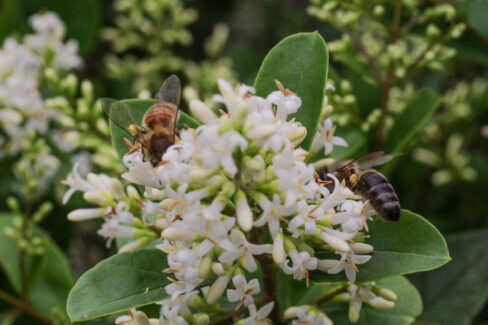
Privet (Liguster) is a total garden favorite, and not just because it creates such a lush, green privacy screen. Those beautiful white flowers are a huge bonus! If you’re curious about what makes these blooms so special, here’s the lowdown on everything you need to know.
All About Privet Flowers
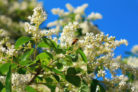
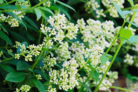
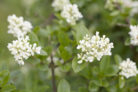
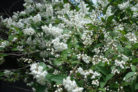
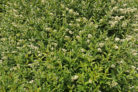
Even though there are several different types of privet, their flowers are actually pretty consistent across the board. No matter which variety you have in your yard, you can expect blooms with these specific traits:
- They are always white.
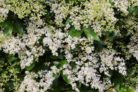
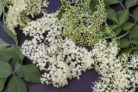
- They grow in panicles (loose, branching clusters).
- The clusters reach up to about 2.5 inches (6 cm) long.
- They have a very powerful fragrance.
These white flower clusters look a bit like a miniature version of lilac blooms. Privet is also monoecious, which is just a fancy gardening term meaning a single plant has both male and female flowers. To the naked eye, though, they look pretty much identical!
That Signature Scent
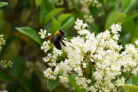
One thing you’ll notice right away is the intense fragrance. It’s definitely distinct! If you’re sensitive to strong smells, you might want to avoid planting a privet hedge right under your bedroom window. On the flip side, that scent is like a magnet for local pollinators, who handle all the pollination duties for the plant.
When Does Privet Bloom?
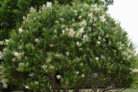
You can expect to see privet in full bloom during June and July. If you’re planning on pruning your privet, try to wait until after the flowering period is over. That way, you won’t accidentally snip off those lovely fragrant clusters before they’ve had a chance to shine.
A Haven for Beneficial Insects
Those sweet-smelling white flowers aren’t just for show—they are a vital food source for birds and insects. You’ll likely see bumblebees, honeybees, and butterflies buzzing all over the bush. In fact, this is a great way to tell the difference between privet and cherry laurel. While our local pollinators go crazy for privet, they usually ignore cherry laurel entirely.
From Flowers to Berries
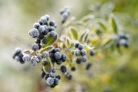
Once the insects have done their job and pollinated the flowers, the plant will produce small, pea-sized black berries in the fall. A quick word of caution: while birds love them, these berries are mildly toxic to humans. Even eating a few can cause an upset stomach or nausea, so make sure the kiddos know they aren’t for snacking!