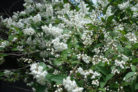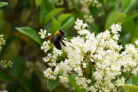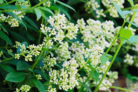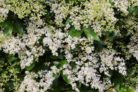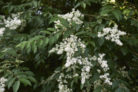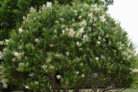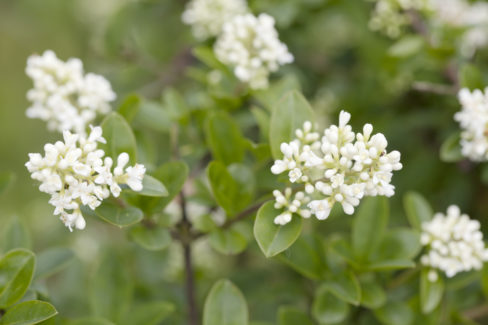
All varieties of privet are incredibly hardy, making them some of the best shrubs you can pick for your landscape. If you keep just a few simple tips in mind when choosing a spot, your privet will thrive and look great for years to come.
Finding the Perfect Spot for Your Privet
One of the best things about privet is that it isn’t picky. It’s a tough, adaptable plant that can handle almost any location. That said, if you really want to see it flourish, try to plant it in a sunny spot. It also does perfectly fine in partial shade. The only thing to avoid is full, deep shade—without enough light, the plant tends to get “leggy” and lose its dense foliage over time.
Ways to Use Privet in Your Garden
Most people use privet as a reliable garden shrub. Because it’s so low-maintenance and sturdy, it works beautifully as a standalone specimen to add some greenery to your yard. But its versatility doesn’t stop there! You’ll often see privet used:
- as a privacy hedge to block out the neighbors,
- in pots or planters to dress up sunny balconies, patios, or entryways,
- and even as a unique style of bonsai.
The Best Soil for Your Privet
When it comes to soil, privet is pretty easygoing; it can handle most soil types. However, for the healthiest plant, you’ll want soil that is loose and well-draining. If the ground is too compacted or heavy, it can stunt root growth and weaken the entire shrub. The big “no-no” is standing water. Soggy roots lead to root rot, which can kill the plant. This is especially important for potted privets and bonsai versions—make sure they have plenty of drainage!
If you want to give your privet a growth boost, rich, humus-heavy soil is the way to go. While privet hedges can survive in nutrient-poor soil, they won’t grow nearly as fast or lush. If your garden soil is looking a bit thin, you can mix in some compost or humus. This kind of organic fertilizing ensures your plants get the nutrients they crave.
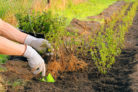
Keep in mind that while you can easily move a potted privet or a bonsai whenever you like, transplanting a shrub that’s already established in the ground is a lot of work. It’s definitely worth taking a moment to pick the right spot before you start digging!