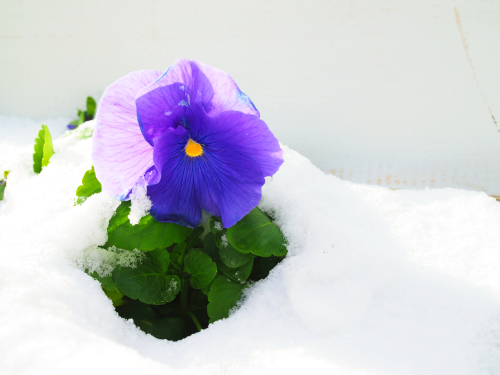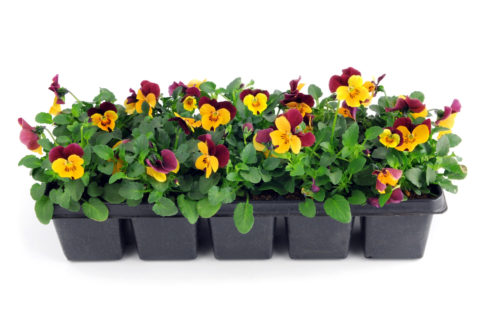
Johnny Jump-ups (Viola cornuta) are such a treat in the garden! These low-maintenance early bloomers are a favorite for a reason. Usually, they’ll just do their own thing, self-seeding and spreading naturally. But if you want to take control of where they grow or expand your collection, you can easily propagate them yourself.
Ways to Grow More Violas
If you want your violas to stay in a specific spot rather than wandering all over your yard, it’s better to skip the self-seeding and take a more hands-on approach. You’ve got three great options:
- Starting from seed
- Taking cuttings
- Dividing the plants
Growing from Seed
Sowing viola seeds is super easy, and they sprout pretty quickly. Just a heads-up: if you use seeds from your own garden, you won’t get “true-to-type” clones. Instead, you’ll get a fun, colorful mix of blooms! Also, seed-grown violas often behave more like annuals. Here’s how to do it outdoors:
- Harvest the seeds from your existing plants as soon as they’re ripe.
- Sow them directly into your garden bed immediately. Only cover them with a tiny bit of soil—they need light to germinate!
- Keep the soil consistently moist.
- The seeds will sit through the winter, getting the “cold treatment” (stratification) they need to wake up.
- They’ll sprout in the spring.
- Once they have their second set of leaves, you can thin them out.
Prefer to start indoors? You can get a head start on the windowsill:
- Prepare your seed trays between January and March.
- Use store-bought seeds (these are usually already cold-treated).
- Sprinkle them on the soil, cover very lightly, and keep them damp.
- Transplant them outside once the second set of leaves appears, provided the ground isn’t frozen.
If you’re using seeds you gathered yourself for indoor starting, just pop them in the fridge for a few weeks first to mimic winter.
Propagation via Cuttings
Here’s a pro tip: Violas grown from cuttings actually tend to live longer than those grown from seed. If you want to try this method, follow these steps:
- In the fall, snip off 2-inch tip cuttings from a healthy “mother” plant.
- Fill small pots with high-quality potting soil.
- Stick the cuttings into the soil.
- Keep the soil moist.
- It takes about two weeks for roots to form. After that, they’re ready for their permanent home.
- If your babies have been in a warm greenhouse, make sure to “harden them off” (slowly acclimate them to outdoor temps).
- They’ll establish themselves before winter hits, but they’ll definitely need some solid winter protection to get through the cold.
Dividing Your Plants
If you have a specific variety you love and want an exact copy, division is the way to go. Every three years or so, it’s actually good to divide your violas in the fall to rejuvenate them. Here’s the play-by-play:
- Dig up the entire plant, roots and all.
- Use a spade or just your hands to pull the clump apart into sections.
- Replant the pieces in a good spot, making sure to space them about 8 inches apart.