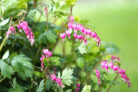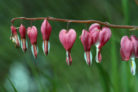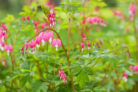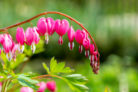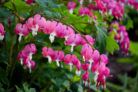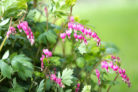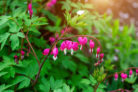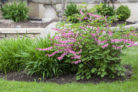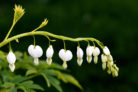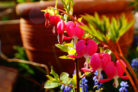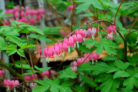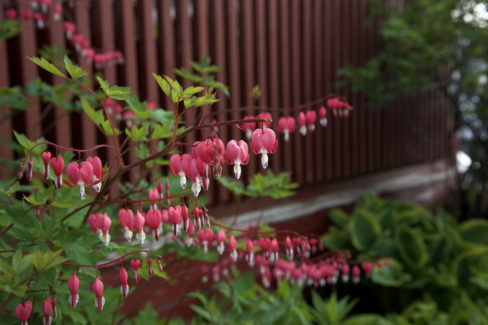
Bleeding Hearts are one of the first true signs of spring in any perennial bed. Their unique, heart-shaped flower chains are a total showstopper and always leave you wanting more. The best part? These charming perennials are actually super easy to propagate with just a little bit of effort.
Ways to Propagate Your Bleeding Hearts
Like most perennials, the Bleeding Heart (Lamprocapnos spectabilis) gives you a few different options for growing new plants. You can start them from seed, divide them, or use cuttings.
Division
The best time to divide a healthy, established plant is either in early spring before it starts growing or in the fall after it’s done blooming:
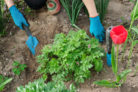
- Use a garden fork to carefully dig up the plant, making sure not to damage the roots.
- Gently shake off the excess soil.
- Use a sharp knife or a spade to divide the rootstock into sections.
- Make sure every piece has a good set of roots and at least one bud or “eye.”
- Plant your new sections immediately in their prepared spots and give them a good soak.
- If you divide them in the spring, keep an eye on the weather—young plants will need a little extra protection from late-night frosts.
Stem and Root Cuttings
After the blooming season, you can take 6-inch stem cuttings from the mother plant. Pop them into a jar of water in a bright spot. Once they’ve grown a solid root system, transplant them into a mix of sand and humus. Keep the soil lightly moist and let the young plants overwinter in a bright, frost-free area. Wait until the danger of frost has passed in the spring before moving them out to the garden.
You can also try root cuttings on a chilly winter day. Gently expose the plant’s roots and snip off 2-inch sections. Clean them up and lay them horizontally in a seed tray filled with a moist sand-and-peat mix. Keep the trays in a bright, frost-free spot over the winter. By spring, they’ll have developed enough roots to be planted outside.
Sowing Bleeding Heart Seeds
Growing from seed is another great option. You can collect ripe seeds and scatter them directly in the garden or store them in a cool place until you’re ready. If you want to start them indoors, you can begin as early as December. Since Bleeding Hearts are “cold germinators,” the seeds need to be stratified. This just means sticking them in the fridge for a few weeks to mimic winter; the cold snap “wakes up” the seeds so they’re ready to grow. Afterward, sow them in a loose seed-starting mix. Keep the trays in a warm, bright spot until the first leaves appear. Once the seedlings are big enough, move them into individual small pots. Keep them in a cool spot until the last frost has passed, then they’re ready for the great outdoors!