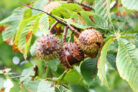
Chestnut trees are more than just gorgeous shade providers for those hot summer days—if you’re growing Sweet Chestnuts, you even get a delicious harvest out of the deal! It’s no surprise that so many home gardeners want to try their hand at propagating them. If you’re looking to add one to your yard, here is everything you need to know to get started.
Propagating Your Chestnut Tree
The good news is that propagating chestnuts is pretty straightforward because they germinate quite easily. However, keep in mind that seeds aren’t “true to type.” This means the offspring will be a genetic mix of both parent plants, which is something to consider if you’re specifically hoping for high-quality edible nuts. Generally, you have two options: growing from seed (sowing) or using cuttings. Just a heads-up: Sweet Chestnuts can be a bit finicky with diseases, which is why professional nurseries often graft them to make them extra hardy.
Germination and Sowing
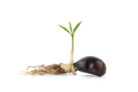
Chestnut seeds are what we call “cold germinators.” This means they need a period of chilly temperatures to wake up and start sprouting. You can let nature do the work outdoors, or mimic winter by putting them in the fridge or even the freezer for a bit. Always aim for fresh seeds—they should feel slightly moist, not dried out. And of course, make sure they look healthy and blemish-free!
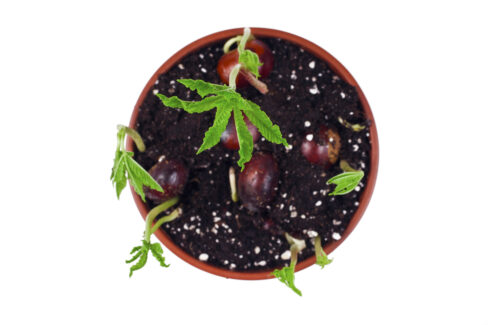
When you’re ready to plant, tuck your fresh seeds into a low-nutrient seed-starting mix. Keep the soil damp but never soggy. Once they sprout, they still love moisture, but you’ve got to watch out for standing water—that’s a fast track to fungal issues and root rot. Depending on the variety, your little sapling will be ready to move into the garden after its first or second winter.
Growing from Cuttings
If you’d rather try cuttings, springtime is your best bet. Look for strong, healthy shoots with plenty of leaves and snip off a piece about 8 to 12 inches long. Strip off the lower leaves, but make sure to leave about four pairs of leaves at the very top.
Stick your cuttings about two inches deep into some potting soil. While you can use rooting hormones to give them a little boost, it’s usually not strictly necessary. Just like with seeds, keep the soil consistently moist but well-drained to protect those delicate new roots.
The Quick Takeaway
- You can propagate chestnuts via seeds or cuttings.
- Germination is usually very successful.
- Remember: chestnuts need a “cold snap” to germinate.
- Always start with fresh, healthy seeds.
- For cuttings, choose vigorous, strong shoots.
- Use a dedicated seed-starting mix for the best rooting results.