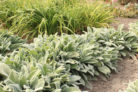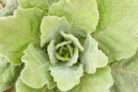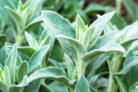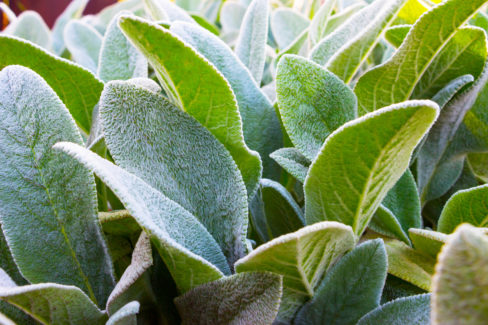
Lamb’s Ear originally hails from Asia, but it’s been a staple in European gardens for centuries. This popular groundcover is a total rockstar in perennial beds, rock gardens, and Mediterranean-style landscapes. You might know it as “Donkey’s Ear” or “Sheep’s Ear”—nicknames it earned thanks to those super fuzzy leaves. Fun fact: it’s been used as a medicinal plant since way back in the Middle Ages!
Everything You Need to Know About Lamb’s Ear
This creeping, hardy perennial usually grows between 6 and 24 inches tall and absolutely thrives in full sun. Since Lamb’s Ear doesn’t mind dry soil one bit, it’s a perfect candidate for rock gardens or even green roofs. Starting in June, you’ll see tall flower spikes topped with tiny pink or silvery-white blossoms. Once the blooming season wraps up, the plant produces small, brown, hairless nutlets.
The real showstoppers, though, are the leaves. They’re covered in soft, silky hairs that feel just like petting an animal. This “fur” isn’t just for looks; it actually protects the plant from drying out during the heat of summer. Plus, Lamb’s Ear is evergreen, so it keeps its foliage through the winter until fresh new leaves sprout in the spring.
When it comes to planting, drainage is key. Lamb’s Ear needs well-draining soil to stay happy. Before you dig, make sure to loosen up the earth and maybe add some drainage material if your soil is heavy—this plant definitely doesn’t like “wet feet” or standing water.
Uses and Healing Properties
There’s something truly special about Lamb’s Ear leaves, with their exotic silver shimmer and velvety texture. As I mentioned, those hairs act like a built-in sunblock. Back in ancient times, healers used these absorbent leaves as natural bandages for wounds because of their anti-inflammatory properties. They even work as a “living band-aid” for small cuts to help stop bleeding.
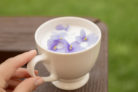
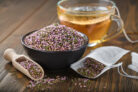
Modern research has even shown that juice extracted from Lamb’s Ear has antimicrobial effects against *Staphylococcus aureus*. Thanks to its natural alkaloids and tannins, it can be used for all sorts of home remedies:
- As an extract for eye irritations
- Squeezing the juice onto insect bites to stop the itching
- An extract to help soothe common colds
- Relief for asthma symptoms
- Aid for digestive issues
- Cooling and anti-inflammatory care for open wounds
Is Lamb’s Ear Edible?
Since Lamb’s Ear isn’t toxic, you can technically eat it! However, because of the alkaloids, you should stick to small amounts. The flavor is a bit on the bitter side. Over in Brazil, they actually deep-fry the leaves in batter—a popular snack known as “Lambari.”