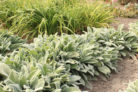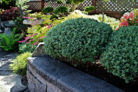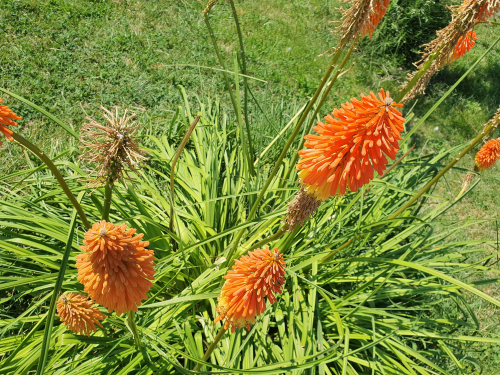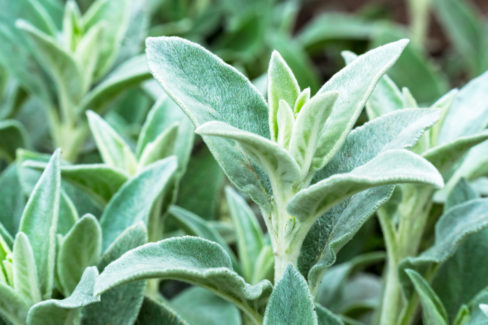
If you’re looking for a plant that’s as tough as nails but soft as a sweater, let me introduce you to Lamb’s Ear (*Stachys byzantina*). This prolific spreader absolutely loves lean, rocky soil and doesn’t need much in the way of fertilizer. The only thing it really hates? “Wet feet”—so make sure your soil drains well! With those iconic silvery, velvety leaves, it’s the perfect addition to rock gardens, rooftop displays, or any sunny border. Honestly, since most people grow it for that fuzzy foliage, some gardeners just snip off the tiny purple flower spikes as soon as they appear to keep the focus on the leaves.
Pruning Your Lamb’s Ear
To keep your Lamb’s Ear looking lush and bushy rather than leggy, a little regular pruning goes a long way. The best times to give it a good trim are in the spring or fall. That said, you can snip off individual stems or flowers anytime if you want to pop them in a vase or dry them. If you’re all about the “fluff factor,” feel free to cut those understated flower spikes right out. However, if you want the plant to self-seed for next year, leave a few stalks standing. Just a heads-up for my fellow pollinator fans: bees actually love these little flowers! You might want to think twice about cutting them all off if you want to keep your local bees happy.
When winter is knocking at the door, put the shears away. Those woolly leaves actually act as a built-in winter coat, protecting the crown of the plant and helping it store energy for a big comeback in the spring.
Lamb’s Ear as a Natural Remedy
Beyond looking great and protecting the plant in winter, those hairy leaves have a long history as a home remedy. Thanks to their natural alkaloids and tannins, you can harvest the leaves and shoots for a few handy uses:
- The leaves make a great “living bandage”—they’re naturally antiseptic and help stop bleeding.
- An extract can be used to soothe eye inflammation.
- The plant juice works wonders on itchy, swollen insect bites.
- Extracts are often used to help with common colds.
- It can also be used as a tonic for digestive issues.
Cutting and Drying the Flowers
Even though they’re subtle, the flower spikes look fantastic in dried arrangements. For the best results, wait for a warm, dry day when the flowers are fully open before snipping them. Bundle the stems together and hang them upside down in a breezy, dry spot. If you’re harvesting a big batch, you can also lay them out on a drying rack—just be sure to toss them around every now and then so they dry evenly. If you really love the dried look, keep an eye out for cultivars like “Cotton Boll.” Its white flower heads look just like fluffy cotton bolls and are a total showstopper in dried floral crafts!