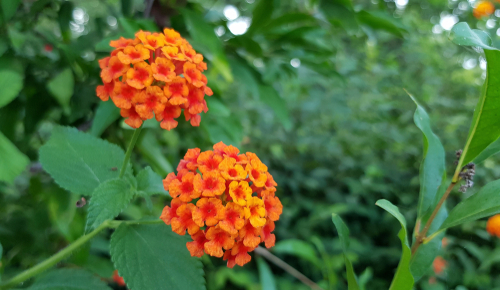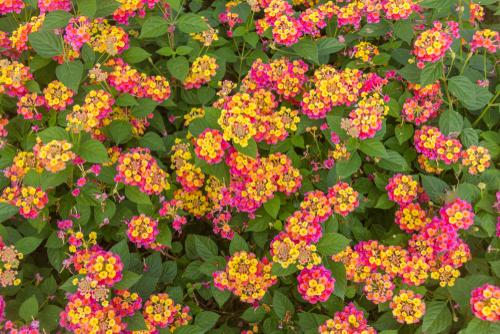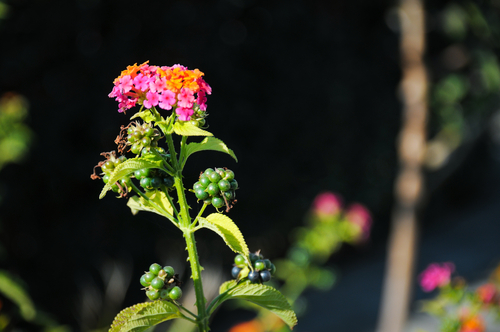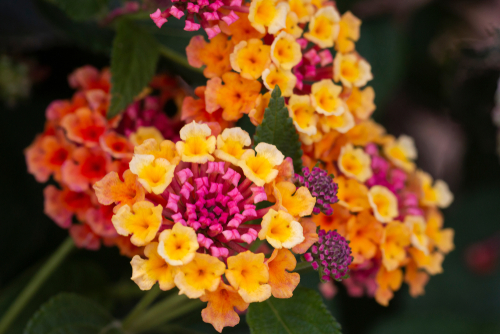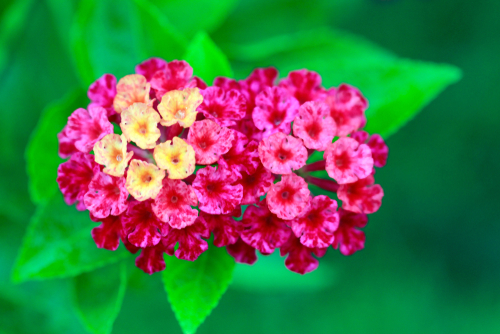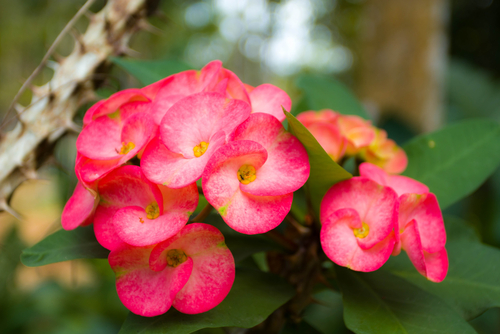
The vibrant, color-changing blooms of the Lantana are so gorgeous that it’s only natural to want more of them in your garden. If you’ve caught the propagation bug, you’re in luck! There are a few ways to do it, but using cuttings is almost always the easiest and most reliable path to success.
Make the Most of Your Spring Pruning
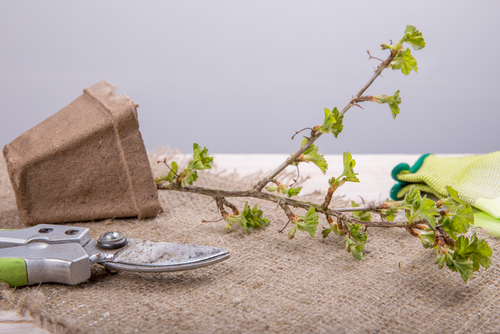
Most Lantanas will gradually drop their leaves while overwintering indoors. This makes your spring pruning a whole lot easier. Pruning is actually essential because Lantanas only develop flower buds on fresh, new growth. The best part? All those trimmings you cut off make perfect “donors” for your new baby plants.
-Step-by-Step Guide
Ready to get started? Here’s how to turn those cuttings into brand-new plants:
- Snip off the tips of the shoots, making sure each cutting has two to three pairs of leaves.
- Dip the cut ends into some rooting hormone to give them a head start.
- Tuck the cuttings into small pots filled with a good potting substrate.
- Create a “mini-greenhouse” by covering the pots with a clear plastic bag or a humidity dome.
- Keep the soil consistently moist, but be careful not to let it get soggy or waterlogged.
You should start to see root development within about two to three weeks!
Other Methods
Technically, you can also propagate Lantana through layering or by sowing seeds. However, layering is a bit more finicky than just taking cuttings. Plus, since you have to prune your plants in the spring anyway, you’ll have plenty of free cutting material ready to go.
A Quick Warning About Seeds
I generally recommend staying away from harvesting your own Lantana seeds. Why? Because the Lantana is a toxic plant. While toxins are present in all parts of the plant, they are most concentrated in the berries (the fruit). It’s really not worth the risk to try and extract seeds by hand. For that same reason, make sure you’re wearing a good pair of gardening gloves whenever you’re handling or pruning your Lantana!