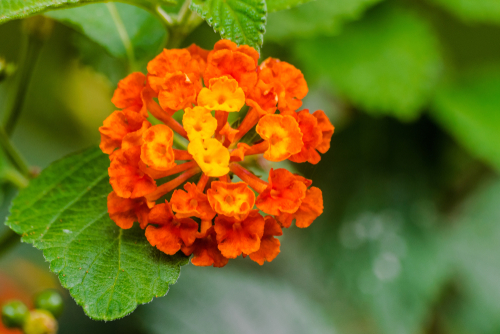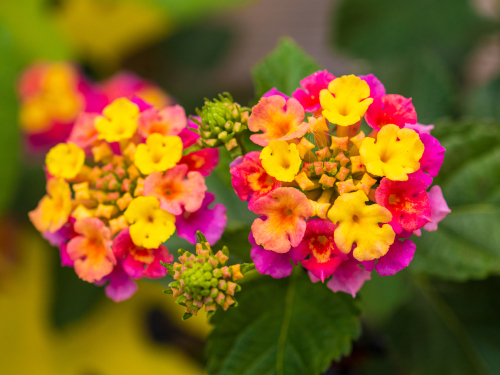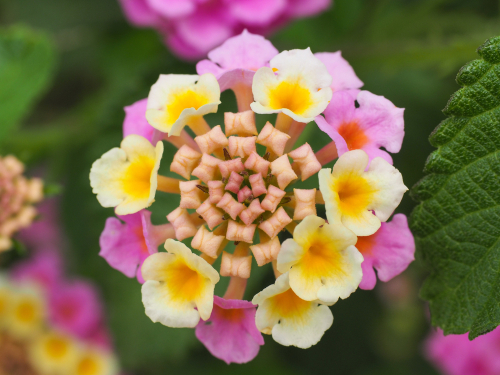
Biologically speaking, the Lantana is a member of the verbena family. And just like many of its cousins in that plant family, the Lantana is unfortunately toxic. In extreme cases, if a child eats part of the plant, it can even be fatal. That’s why you really need to keep safety in mind if you decide to grow this beauty.
Every part of the plant is toxic
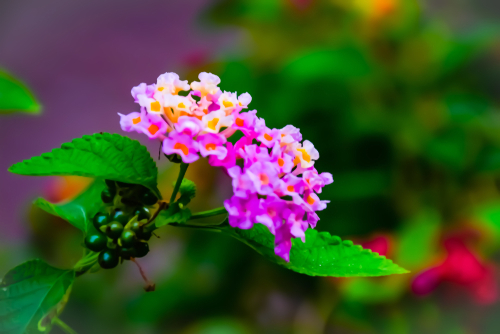
The toxins in Lantana aren’t just in one spot—they’re found throughout the entire plant. Most dangerously, both the ripe and unripe berries are highly poisonous. To a little kid, these berries look a whole lot like blueberries or dark currants. Because of that resemblance, there’s a serious risk of accidental poisoning, and it’s something every gardener should take to heart.
The toxins inside Lantana
The harmful substances found in Lantana are known as lantadenes and triterpenes. Eating the plant—or sometimes even just direct skin contact—can lead to a whole host of health issues, including:
- Nausea
- Vomiting
- Bloody diarrhea
- Uncontrolled muscle contractions
The long-term damage can be even more serious, ranging from liver damage to significant changes in blood enzymes.
Dangerous for pets and livestock, too
The toxins in Lantana aren’t just a threat to humans; our furry friends can get very sick from them as well. In fact, Lantana isn’t the only genus in the verbena family that poses a risk to animals. This applies to cats and dogs, but also to livestock like cattle and sheep. If an animal gets into your Lantana, look out for these symptoms:
- Skin rashes
- Diarrhea
- Constipation
- Sensitivity to light
- Difficulty moving or lack of coordination
- Jaundice (yellowing of the mucous membranes)
If you have young children or pets running around, you might want to think twice about whether Lantana is the right choice for your balcony or garden.